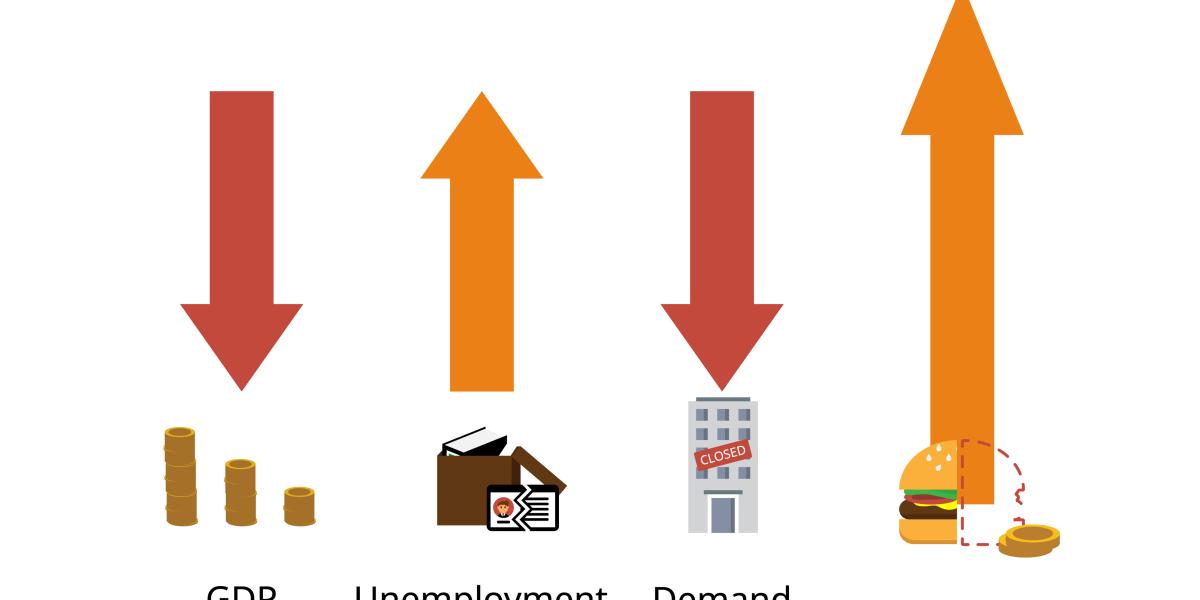
In the late 1960’s Edmund Phelps and Milton Friedman challenged the popular view that there can be a sustainable trade-off between inflation and unemployment. In fact, over time, according to Friedman, expansionary central bank policies set the platform for lower economic growth and a higher rate of inflation (i.e., stagflation). A famous case of stagflation occurred during the 1974-75 period. In March 1975, industrial production fell by nearly 13 percent year-on-year while the yearly growth rate of the consumer price index (CPI) jumped to around 12 percent.
Friedman’s Explanation of Stagflation
Starting from a situation of equality between the current and the expected rate of inflation, the central bank decides to attempt to increase the economic growth rate by increasing the growth rate of money supply. As a result, a greater supply of money enters the economy and each individual…