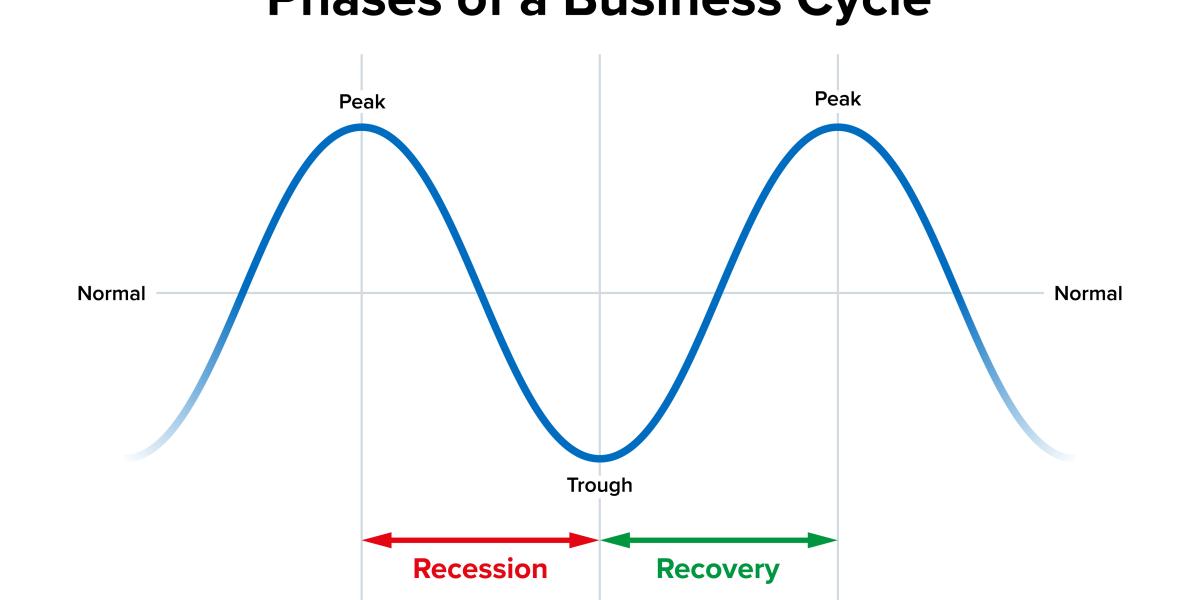
One of Ludwig von Mises’s brilliant achievements was his elucidation of Austrian Business Cycle Theory (ABCT) in his great 1912 work The Theory of Money and Credit. Mises expanded upon preexisting Austrian capital theory, which stresses the importance of time and uncertainty associated with the transformation of inputs like labor and natural resources into the final goods desired by consumers. The value-maximizing allocation of inputs over different lines of production (each having its own time horizon and degree of uncertainty) is regulated by the time and risk preferences of savers; the market prices of which are expressed in the form of money interest rates.
The central insight of ABCT is that when fractional reserve banks create money and credit deposits out of thin air to expand extensions of credit to private sector businesses, they upset this allocation of inputs, driving the…