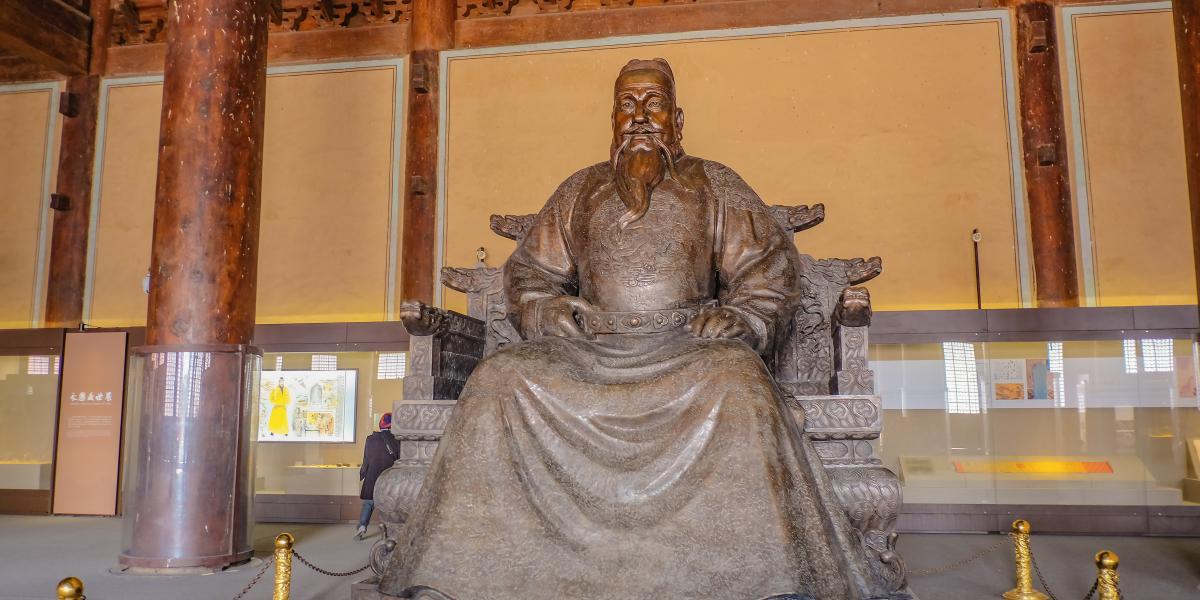
Comparative political theorists and historians occasionally describe the early Ming dynasty (1368-1644) as one of the least intrusive periods of governance in Chinese history since the Han. Tax burdens were relatively light, bureaucratic penetration into village life was shallow, and much social regulation was left to families and local elites. These features have led some observers to characterize early Ming rule as “restrained,” or even proto-liberal, especially when contrasted with the later fiscal and administrative expansion of the Ming state.
This interpretation, however, confuses state weakness with ideological restraint. A closer examination of early Ming governance reveals not a principled commitment to limited rule, but the temporary incapacity of a post-collapse regime whose coercive authority remained absolute in theory, even when constrained in practice. Far from…