By Kevin Hughes
- Volkswagen is shutting down its Dresden plant—the first closure in its 88-year history—due to skyrocketing energy costs, plummeting sales and geopolitical pressures. The “Transparent Factory” was once a symbol of VW’s EV ambitions but failed commercially, producing fewer than 200,000 vehicles since 2001.
- Up to 35,000 German jobs could be slashed by 2030, including thousands in R&D, as part of a brutal restructuring. Germany’s economy is in a “structural crisis” due to disastrous energy policies (anti-Russia sanctions), rising production costs and collapsing competitiveness.
- The European Union’s rejection of Russian oil/gas crippled German industry, while China dominates EV sales and U.S. tariffs hurt exports. Analysts warn Volkswagen faces severe cash flow pressures by 2026, forcing cuts to gasoline R&D despite weak EV demand.
- The Dresden plant will be repurposed into an AI, robotics and microchip research hub, aligning with the globalist agenda: Centralized control by elites, erosion of national sovereignty and push for a surveillance state and Fourth Industrial Revolution (automation, IoT, transhumanism)
- Germany’s industrial collapse stems from: Energy sabotage (self-inflicted sanctions), Chinese dominance in EVs, U.S. economic warfare (tariffs) and failed green policies forcing costly EV transitions. Workers suffer while elites accelerate AI-driven depopulation and control, furthering the New World Order.
In a historic and sobering move, Volkswagen, Germany’s largest automaker, is shutting down production at its Dresden plant for the first time in its 88-year history.
The closure, effective Tuesday, Dec. 16, marks a grim milestone for Europe’s top car manufacturer as it grapples with skyrocketing energy costs, plummeting sales in key markets and mounting geopolitical pressures.
The decision comes as part of a broader restructuring plan that could see up to 35,000 job cuts in Germany alone—a devastating blow to workers and a stark indicator of the deepening crisis facing the German automotive industry.
The end of an era
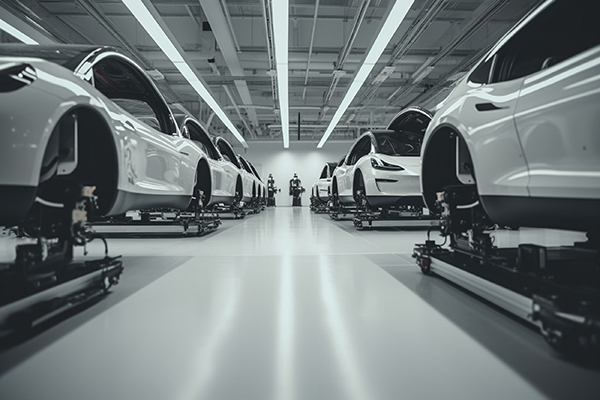
The Dresden plant, known as the “Transparent Factory” for its glass-walled assembly lines, was once a symbol of Volkswagen’s engineering prowess and electrification ambitions. Since opening in 2001, it produced fewer than 200,000 vehicles—less than half the annual output of Volkswagen’s flagship Wolfsburg facility. Initially home to the luxury Phaeton sedan, the factory later pivoted to electric vehicles (EVs), including the ID.3.
Yet despite its prestige, the plant never achieved commercial success. “From an economic perspective, it was essential,” admitted Volkswagen brand chief Thomas Schäfer, acknowledging the painful but necessary closure.
Economic collapse and globalist failures
The shutdown underscores Germany’s accelerating economic decline, exacerbated by disastrous energy policies following the Ukraine conflict. The European Union’s abrupt rejection of Russian oil and gas—replaced by costly alternatives—has crippled German industry, driving up production costs and eroding competitiveness.