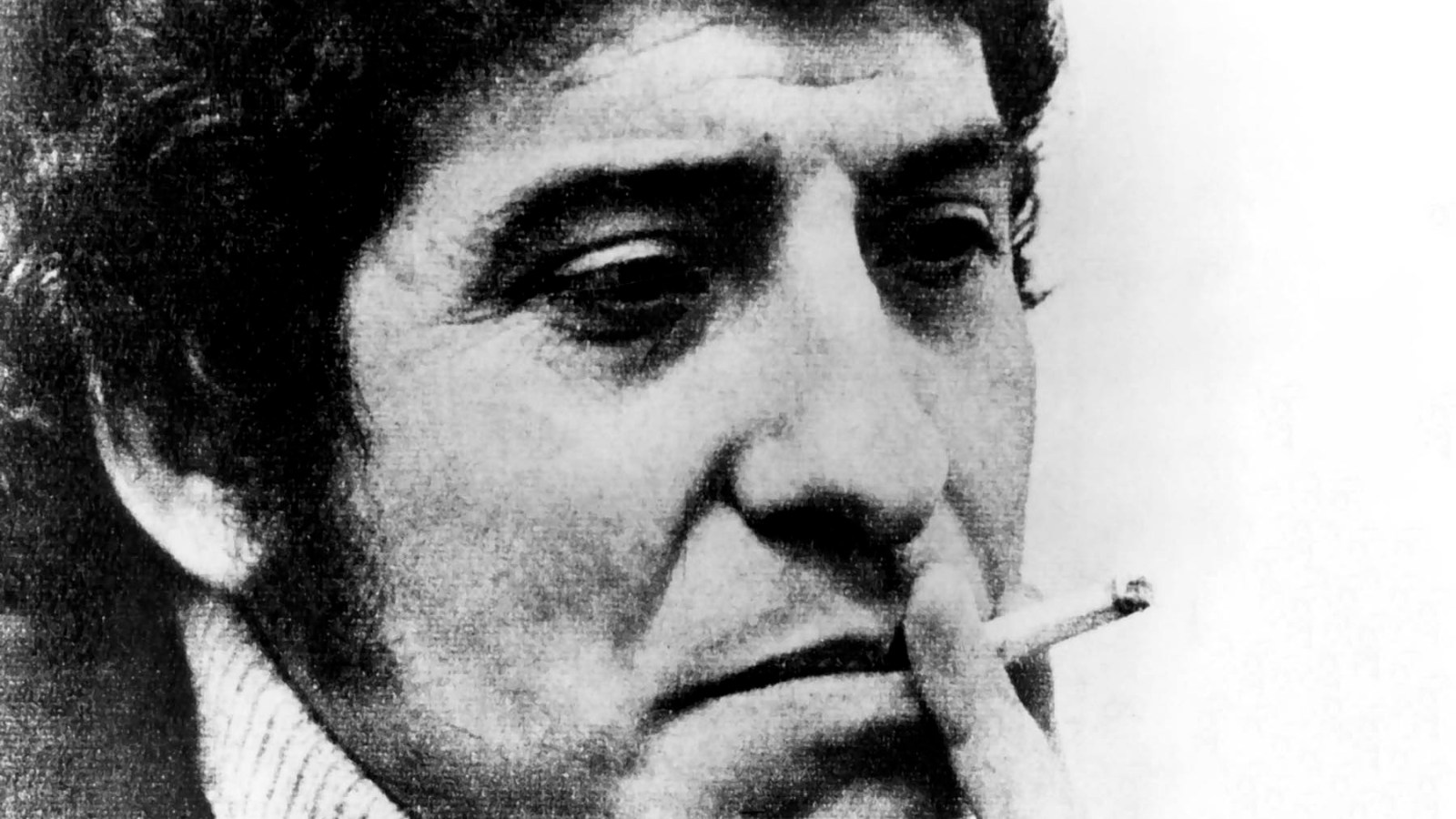
In the days following the military coup in Chile on Sept. 11, 1973, the folk singer and guitarist Víctor Jara was detained and taken to Estadio Chile, a sports arena converted into a mass detention center by the Pinochet dictatorship. There, he was tortured and executed.
His torturers shattered his hands and paraded him around the stadium, taunting him to try to play his guitar. This brutality was symbolic. Jara was a public figure, a musician whose work had become intertwined with democratic aspiration and uplifting the working class, so much that it was said that his music was more powerful than a thousand machine guns. Silencing him was meant to silence the masses — but it did not.
Jara’s songs endured, carried by recordings, memory, and communities both in Chile and abroad. The stadium where he was killed now bears his name. His music continues to be sung…