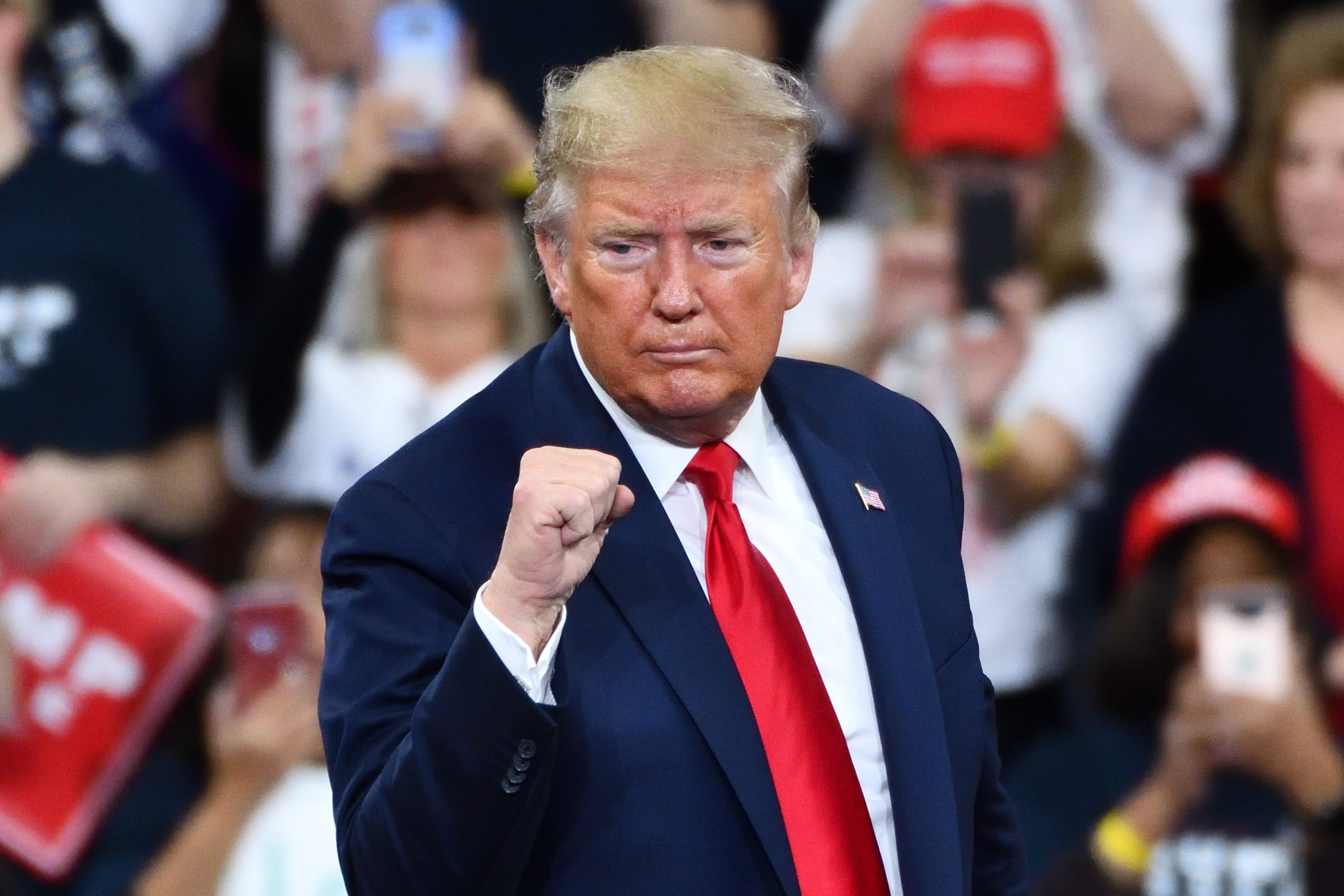
Photo Evan El Amin/Shutterstock
By Zorina Grey CBNC News
America First diplomacy now treats European security as a problem to settle with the powers that actually fight, not as a Brussels veto over every American attempt to end the Ukraine war. Collectivist European officials claim the continent already has a finished security architecture and that any Washington–Moscow discussion of a wider deal is an attempted Russian veto. That claim fails against capacity and incentives, because Europe’s existing architecture did not stop Russia’s full-scale invasion, has not restored a durable peace, and still depends on American force and American political will whenever the shooting gets serious.
President Donald Trump said Thursday, November 5, 2026, after meeting Russian President Vladimir Putin’s envoy Kirill Dmitriev at the White House, that a settlement is coming and that it will reach past Ukraine. “It’s going to be a very big. It’s going to involve more than Ukraine, and I could even say it might involve all of Europe. It’s going to be a big, beautiful agreement, and everyone’s going to be thrilled,” Trump told reporters, without releasing a text. He refused to detail the private conversation and confirmed he met Dmitriev, not the Ukrainian visitors who were also in Washington that day. Dmitriev heads Russia’s sovereign wealth fund and remains under United States sanctions. The meeting sat beside a First Lady Melania Trump humanitarian event marking the temporary Oleshky ceasefire she helped negotiate, at which Russian and Ukrainian representatives were present.
On Friday, Jared Kushner, Trump’s son-in-law and diplomatic envoy, wrote that the president had advanced talks with several European leaders on a broader European security architecture meant to create conditions for lasting peace. Kushner listed five guiding aims drawn from the week’s work in Brussels with Ukraine, NATO, and European partners: permanent security consultations, reliable crisis communications, greater military transparency, mutual de-escalation measures, and a lasting framework for long-term European stability. He wrote that each country would decide its own security and alliances, that no country would hold a veto over another’s sovereign choices, and that NATO would retain a central role in collective defense. Contact with Russia, he said, would run through the peace negotiations. U.S.-brokered talks involving Russian and Ukrainian officials are scheduled for November 10 and 11 in Abu Dhabi, with European consultations on the sidelines if progress warrants a wider format.
European Union foreign policy chief Kaja Kallas answered Friday in Warsaw that Europe already has a security architecture in place, that Russia keeps breaking the treaties that underpin it, that NATO posed no threat to Russia in 2021 and poses none now, and that Putin does not have a veto over European security. Polish Foreign Minister Radoslaw Sikorski said an arrangement about Ukraine and Europe reached above European heads would be unwise and practically impossible. Ukrainian Foreign Minister Andriy Sybiha said the priority is protecting Europe against Russian aggression rather than negotiating spheres of influence with Moscow. European Commission Chief Spokesperson Paula Pinho said considerable work remained and that the European Union would determine its own security matters. Those statements treat American mediation as a threat to process rather than as the only capacity still able to force a decision after years of inconclusive European management.
The strategic objective is an end to a grinding war that has consumed American attention, American munitions pipelines, and American political capital while European capitals demand a seat they already had and results they did not deliver. The alternative left in place is indefinite American underwriting of a conflict European institutions describe as settled architecture while Russia continues to fight and Europe continues to insist that no deal can be discussed without them first approving the frame. Capacity favors the side that can stop the fighting. Incentives favor European officials who gain status by blocking any settlement they did not author. American interest is not served by treating Brussels process language as a substitute for peace. It is served by collapsing the contradiction that Europe’s architecture failed to prevent the war, failed to end it, and now claims exclusive ownership of any settlement that might.
The American cost of leaving that contradiction untouched is continued exposure without a defined end state. Trump’s public language and Kushner’s five goals put American terms on the table ahead of Abu Dhabi. Europe’s Friday rejection makes the collectivist position plain: the architecture that did not keep the peace must control the peace. That is not American interest. It is a demand that Washington keep paying for failure.
Sources:
https://www.politico.eu/article/donald-trump-europe-ukraine-deal-vladimir-putin-envoy-kirill-dmitriev/
https://www.euronews.com/2026/11/06/eu-rejects-trumps-big-beautiful-security-deal-with-russia-and-all-of-europe
https://geopolitiki.com/politics-diplomacy/trump-after-meeting-putin-envoy-dmitriev-big-beautiful-deal-ukraine-europe-kushner-five-goals-security-architecture/
https://edition.cnn.com/2026/11/06/politics/europe-shrugs-astrump-teases-big-beautiful-europe-security-deal-after-meeting-putin-envoy