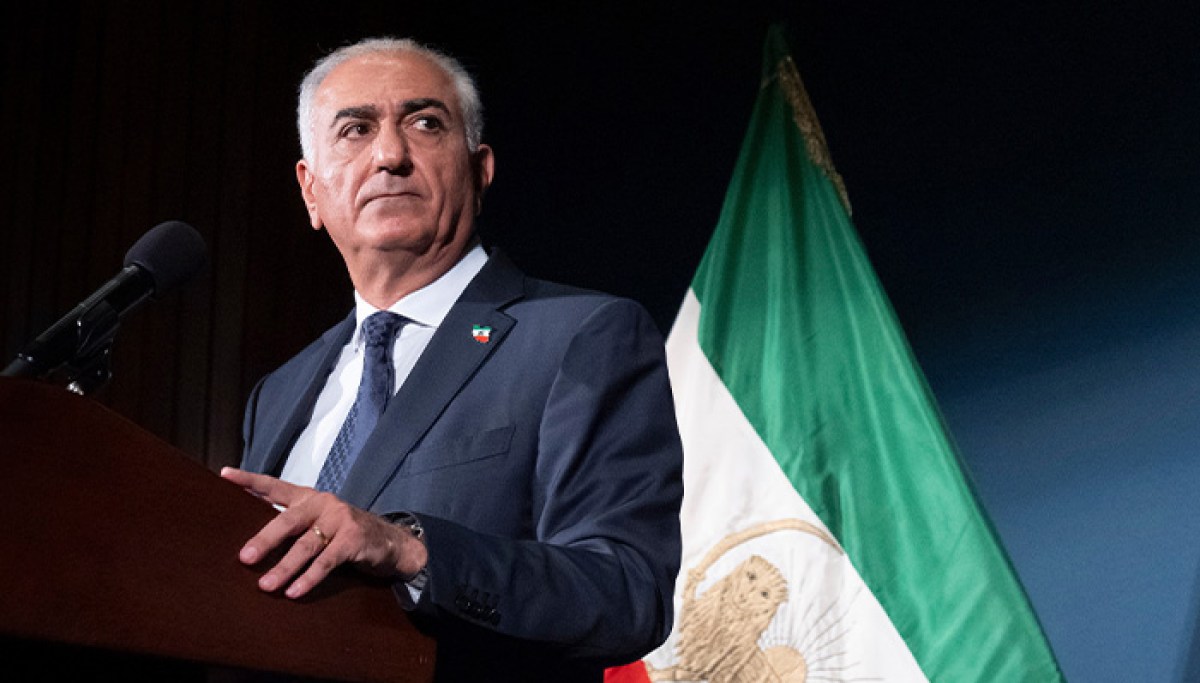
To some in Washington, he appears to offer a ready-made alternative to the current system. But for many Iranians, particularly Kurds, Balochs, and Azeris, the prospect of a Pahlavi restoration is not a solution — it is a potential trigger for renewed internal conflict.
The case for restoring the monarchy often rests on a sanitized nostalgia for pre-1979 Iran. Yet for Iran’s ethnic nationalities, the Pahlavi legacy is closely associated with forced centralization and political repression. In 1946, under the Pahlavi crown, the short-lived Kurdish Republic of Mahabad was crushed and its leaders executed. For decades thereafter, the SAVAK security apparatus maintained regime stability through widespread repression of dissent, a record documented by international human rights organizations well before the 1979 revolution.