By: Ava Grace
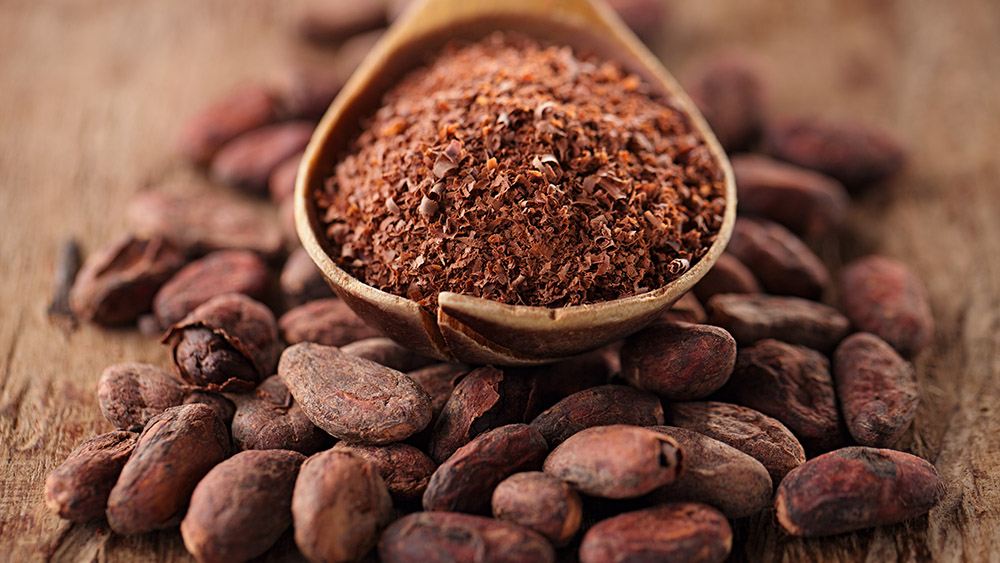
- Theobromine is a bitter alkaloid and mild stimulant derived from the cacao bean. Its name comes from the cacao tree’s genus, Theobroma, which is Greek for “food of the gods.”
- The most abundant source of theobromine is the cacao bean, with concentrations highest in raw beans (up to 25 g/kg) and dark chocolate (~10g/kg), and significantly lower in milk chocolate.
- Unlike caffeine, theobromine is a vasodilator that relaxes blood vessels, helping improve blood flow and lowering blood pressure. It also acts as a diuretic and can suppress coughs by calming the vagus nerve.
- Health experts recommend obtaining theobromine through dietary sources like high-cacao, low-sugar dark chocolate (1-2 ounces per day) rather than supplements, to benefit from complementary nutrients like flavonoids.
- Theobromine is toxic to dogs and some other animals, as they metabolize it much more slowly than humans, which can lead to poisoning.
In the world of wellness and nutrition, few compounds are as universally experienced yet poorly understood as theobromine. While its name may sound like a pharmaceutical prescription, it is, in fact, the primary reason a square of dark chocolate can feel so uniquely uplifting. This molecule, hidden within the humble cacao bean, is a gentle stimulant, a cardiovascular ally, and a testament to the complex chemistry of everyday foods.
Theobromine is a bitter alkaloid belonging to the methylxanthine family, a group of compounds that includes its more famous cousin, caffeine. In its pure form, theobromine is a white or colorless crystalline powder, possessing a deeply bitter taste that is famously masked by the fats and sugars in chocolate products. Its biological role in the cacao plant is believed to be as a natural pesticide, protecting the beans from insects and other predators. (Related: How MORNING CHOCOLATE boosts brain health, mood, and metabolism.)