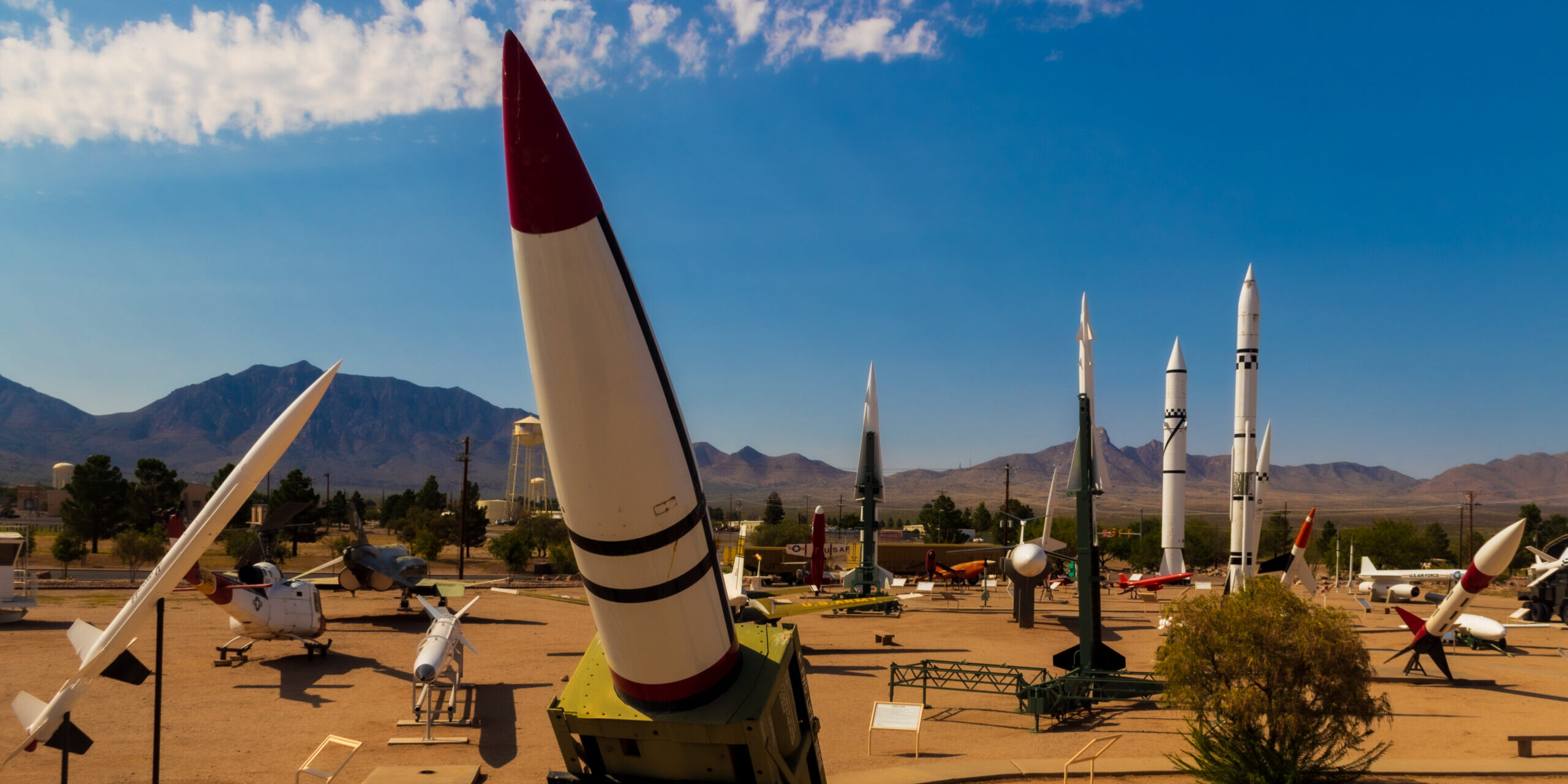
The depletion of advanced missile stockpiles raises concerns about U.S. military readiness for potential conflicts with other global adversaries.
| PULSE POINTS |
 WHAT HAPPENED: The U.S. Army has depleted much of its global stockpile of long-range precision missiles after five months of military operations against Iran, with sources stating that the military has used virtually all of its Army Tactical Missile Systems (ATACMS) and Precision Strike Missiles (PrSM).  DETAIL: The missiles, which cost more than $1 million each and have also been supplied to Ukraine, are considered critical for striking targets from long distances while reducing risks to pilots, and officials say the dwindling inventory could limit the U.S. military’s ability to deter adversaries such as Russia and China. President Donald J. Trump has dismissed such concerns, saying the United States still has more munitions than any other country and that defense manufacturers are producing weapons at record levels while expanding production capacity. Pentagon spokesman Sean Parnell also insisted the U.S. military retains the capabilities needed to carry out operations wherever and whenever directed by the President. However, analysts caution that although production has increased, stockpiles of key munitions may not be sufficient for a prolonged conflict, and military leaders have reportedly warned the administration that supplies of Patriot missile interceptors and other defensive systems are also running low. According to the Center for Strategic and International Studies, roughly 65 percent of Patriot interceptors and at least 38 percent of THAAD missile interceptors have been expended since the conflict began, figures that sources said align with internal U.S. assessments. One source also said the U.S. has used nearly half of its global stockpile of Navy Tomahawk cruise missiles during the campaign. Defense contractors Lockheed Martin and Raytheon are expanding production as the Pentagon works to replenish critical weapons inventories.  IMPACT: The missile shortage has already affected U.S. military operations, with implications for allied nations like Ukraine, which relies on U.S. air defense systems. The strain on stockpiles has raised concerns about the U.S. military’s ability to sustain prolonged conflicts or effectively counter future threats. |
…