By Willow Tohi
- A University of Pennsylvania study provides scientific validation for the viral social media trend promoting rosemary for skin healing.
- The research identifies carnosic acid, a natural antioxidant in rosemary, as the key compound responsible for promoting scar-free wound healing in mice.
- Carnosic acid works by activating a specific nerve receptor (TRPA1) in the skin, a pathway linked to regenerative tissue repair.
- Rosemary was found to be more potent and less irritating than other natural or pharmaceutical substances that target the same regenerative pathway.
- The findings suggest a promising, low-cost avenue for future wound care research aimed at reducing scarring in humans.
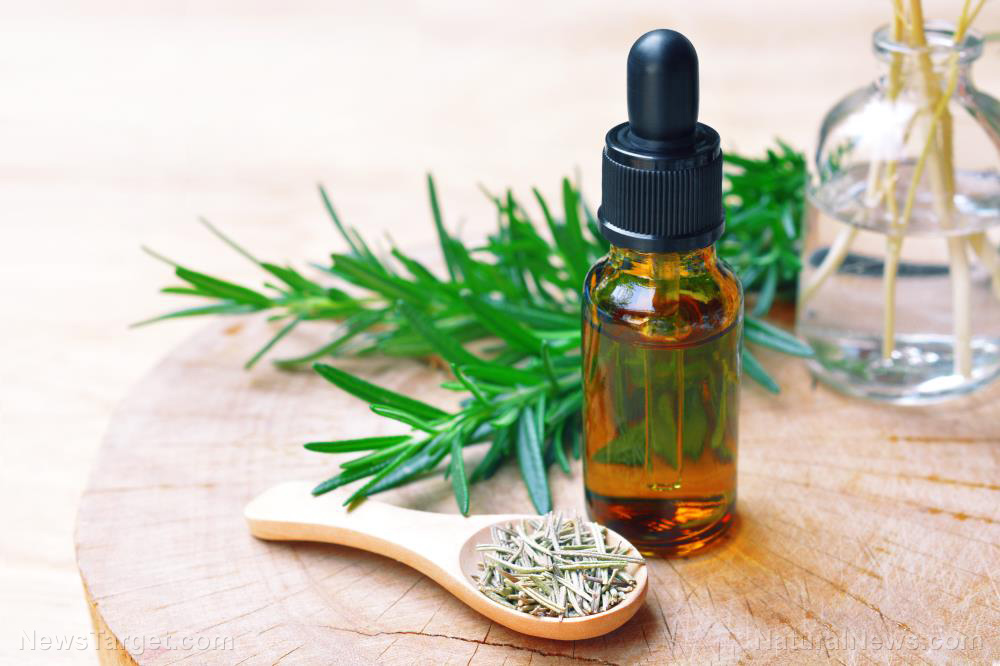
In an era where health advice often goes viral long before it is scientifically vetted, researchers at the University of Pennsylvania have turned a popular social media skincare trend into a legitimate medical (re)discovery. Inspired by countless posts on platforms like TikTok and Instagram, a team of scientists set out to investigate claims that rosemary could improve skin recovery. Their work, published in JCI Insight, has not only validated the online hype but has uncovered a specific molecular mechanism by which a compound in rosemary promotes scar-free wound healing in laboratory models, pointing toward a potential future for affordable, natural-inspired wound care therapies.
The viral spark that ignited laboratory inquiry
The project began not in a grant proposal, but in the digital feeds of Penn undergraduate student Jiayi Pang and PhD candidate Emmanuel Rapp Reyes. Observing the widespread promotion of rosemary serums and extracts for skin healing across social media, they approached Dr. Thomas Leung, an associate professor of dermatology, to explore if there was any scientific merit behind the trend. This curiosity-driven approach exemplifies how modern phenomena can directly fuel academic inquiry. While historical use of rosemary in traditional Mediterranean folk medicine for wounds provided a cultural backdrop, the team sought contemporary, mechanistic evidence. “We hypothesized there was likely something real behind the hype because rosemary contains many antioxidants,” Pang noted, setting the stage for rigorous laboratory testing.
Carnosic acid: Rosemary’s key regenerative compound
The researchers focused their experiments on carnosic acid, a potent natural antioxidant abundant in rosemary leaves. They developed a topical cream containing the compound and tested it on mice with skin injuries. The results were striking: wounds treated with the carnosic acid cream closed faster and, more importantly, healed with regeneration of complex structures like hair follicles and oil glands—a hallmark of true skin regeneration rather than simple, scar-forming repair. This finding is particularly significant because adult mammalian skin typically heals with fibrotic scars that disrupt tissue architecture and function. The study demonstrated that rosemary extract could effectively “shift the healing process from scarring to healthy skin regeneration,” as Leung described it.
Unlocking the TRPA1 pathway to scarless healing
The crucial breakthrough came in understanding how carnosic acid achieves this effect. The Penn team discovered that the compound activates a specific nerve sensor in the skin known as TRPA1. This receptor had previously been linked by Leung’s research to pathways that enable scarless healing. When the carnosic acid cream was applied to mice genetically engineered to lack the TRPA1 receptor, the regenerative benefits completely disappeared, proving this pathway is essential for rosemary’s effect. Furthermore, the team found the healing action to be strictly localized; applying the cream to skin distant from the wound did not trigger regenerative healing elsewhere, indicating a targeted therapeutic effect.