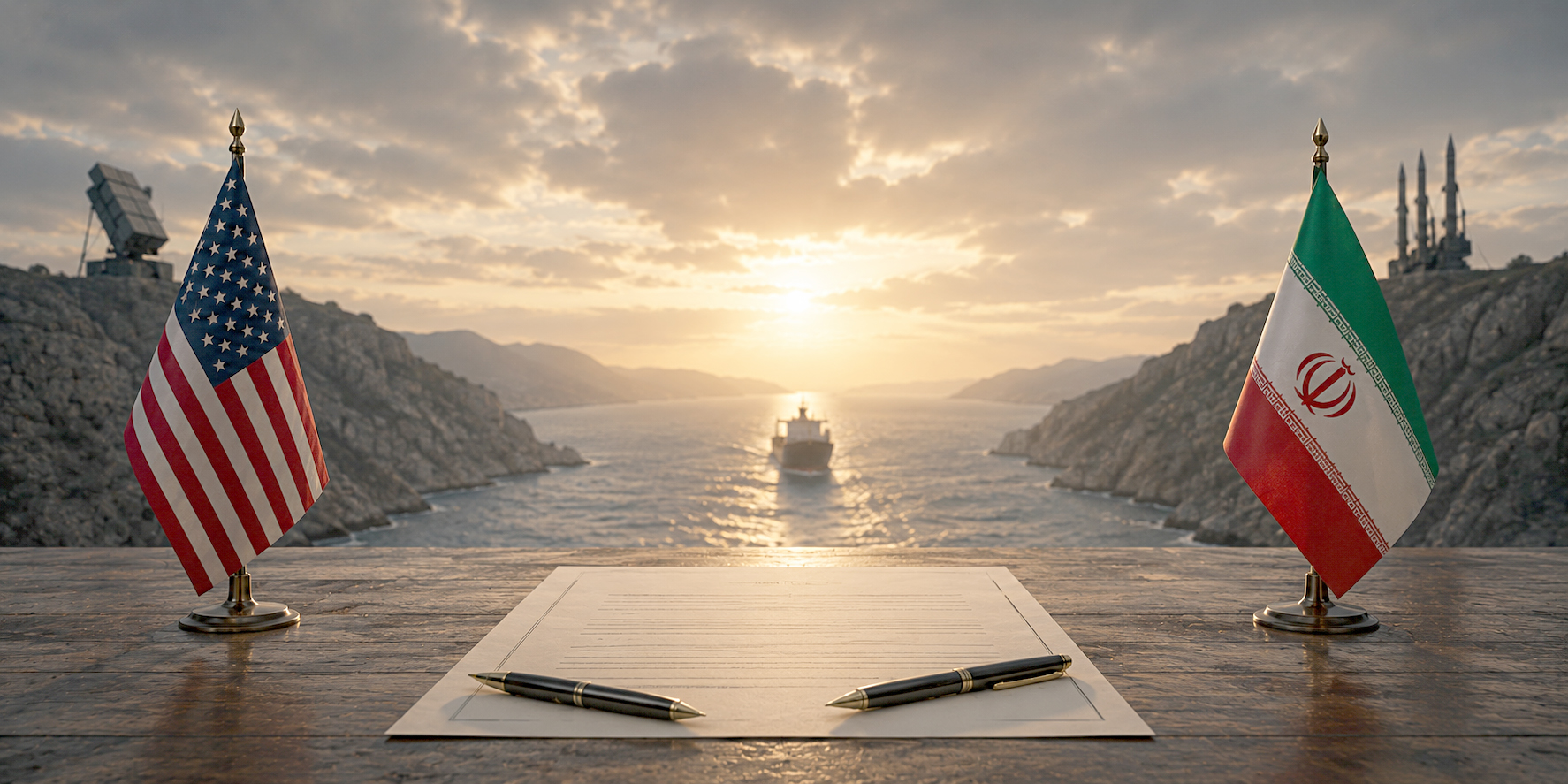
Almost every war produces the same immediate question: who won? Yet the more consequential question is whether either side can convert battlefield pressure into a political order it can sustain. The Islamabad Memorandum, signed by the United States and Iran on June 17, brings that distinction into sharp relief. It is a 60-day framework linking an end to military operations and navigation through the Strait of Hormuz to negotiations over sanctions, Iran’s nuclear program, and a broader political settlement. Its importance lies less in the document’s promises than in the reality that produced it: neither Washington nor Tehran could credibly claim that continuing the war would deliver the political outcome each sought.
This does not mean military power has ceased to matter. In conflicts where both sides can impose serious costs and frustrate the other’s…