The recent catastrophic ice-rock avalanche along the Tibet–Nepal border has once again exposed the Chinese communist regime’s ultimate weakness—a political architecture so obsessed with narrative supremacy that it treats disaster management as an exercise in state self-preservation rather than human relief.
Millions of cubic meters of hanging ice, fractured bedrock, and permafrost sheared off the crest, instantly pulverizing into a high-velocity slurry with the density of wet cement.
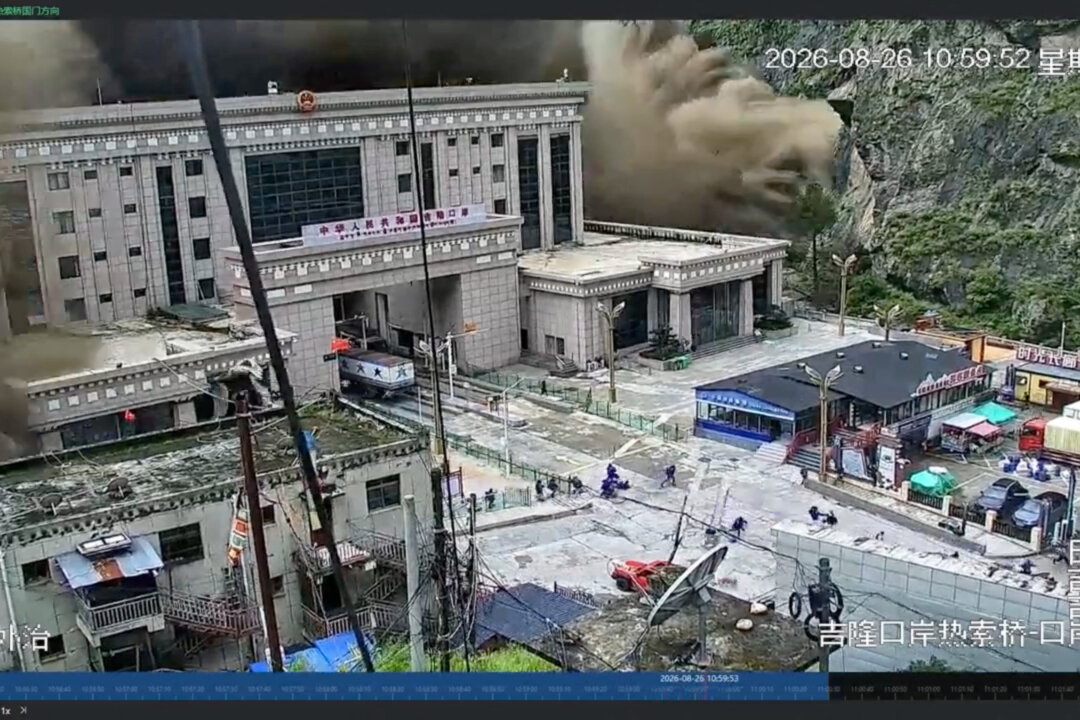
Tearing down the narrow Gyirong and Trishuli river corridors, the surge obliterated customs posts, washed away hydropower facilities down to their rebar skeletons, and erased riverside settlements across Nepal’s Rasuwa and Nuwakot districts.
The physical catastrophe was transboundary, but the political responses on opposite sides of the frontier revealed two incompatible worlds.
In Nepal,…