By: Willow Tohi
- Groundbreaking research identifies adenosine signaling as a critical mechanism for mood regulation, targeted by fast-acting antidepressants.
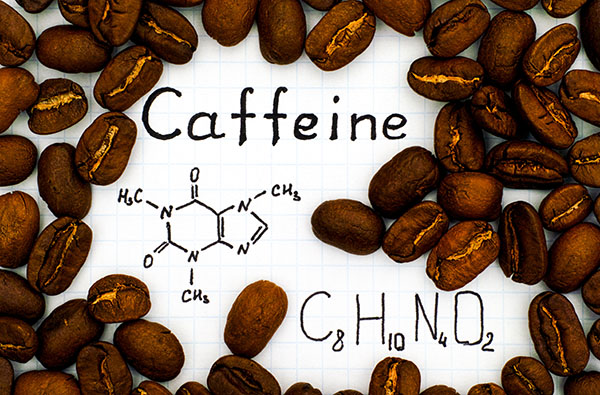
- Caffeine, the world’s most consumed psychoactive substance, works by blocking these same adenosine receptors, creating a similar initial effect.
- This creates a potential paradigm where caffeine consumption may stimulate the brain’s own motivational neurochemicals, acting as a natural antidepressant.
- The discovery opens avenues for understanding caffeine’s role as a widespread, self-administered therapy for boosting alertness and motivation.
- Researchers call for a re-evaluation of caffeine’s long-term role in mental wellness and its potential to reduce the need for pharmaceutical interventions.
In a revelation that connects the world’s most popular psychoactive substance with the brain’s innate chemistry for well-being, new scientific discoveries reveal a compelling biological synergy. A landmark study has identified a specific brain chemical pathway, mediated by adenosine, as an essential mechanism for regulating mood and motivation. Simultaneously, a separate scientific commentary highlights that this very same pathway is the primary target of caffeine. This unexpected convergence suggests that the simple act of drinking coffee could potentially activate the brain’s own reward and alertness systems, offering a natural and accessible means to elevate mood and stave off the apathy central to depression.
The brain’s built-in braking system
For decades, the complex interplay of brain chemicals that govern our mood has been a central focus of neuroscience. Now, a pivotal study has shed new light on the role of adenosine, a neurotransmitter whose primary function is to promote rest and reduce arousal by acting as a brake on the brain’s motivating chemicals. It actively works to stop the release of dopamine and adrenaline, the neurochemicals responsible for drive, alertness and a sense of reward. When adenosine activity is high, the brain is pushed toward states of sleep and reduced arousal, creating the neurochemical conditions that can underlie feelings of lethargy and apathy—core symptoms of depression.
Caffeine’s therapeutic role: Releasing the brakes on motivation
This breakthrough discovery dovetails perfectly with a well-established fact of neuroscience: caffeine’s primary mode of action is to block adenosine receptors. As explored in a commentary by leading researchers, this creates a powerful, drug-free intervention. By occupying these receptors, caffeine prevents adenosine from applying its braking effect. The result is a natural surge in the very dopamine and adrenaline that adenosine normally suppresses. This flood of motivating neurochemicals directly boosts alertness, energy and a sense of capability, effectively countering the lethargic state that adenosine promotes. In this light, the daily coffee ritual can be seen as a self-administered therapy to jump-start the brain’s intrinsic motivation and reward circuits.
Beyond a simple stimulant: A pathway to sustained mood support
The implications of identifying adenosine as a central player in mood extend far beyond a temporary energy boost. Epidemiological studies have consistently found that chronic coffee consumption is associated with a lower long-term risk of developing depression. This suggests that a lifetime of mild adenosine receptor blockade from daily coffee might provide a protective, tonic effect on mood. By consistently mitigating the dampening effect of adenosine, caffeine may help maintain a higher baseline level of motivational neurochemistry. This ongoing support could fortify the brain against the dips in dopamine and adrenaline that contribute to depressive states, positioning caffeine as a potential maintenance therapy for mental wellness.