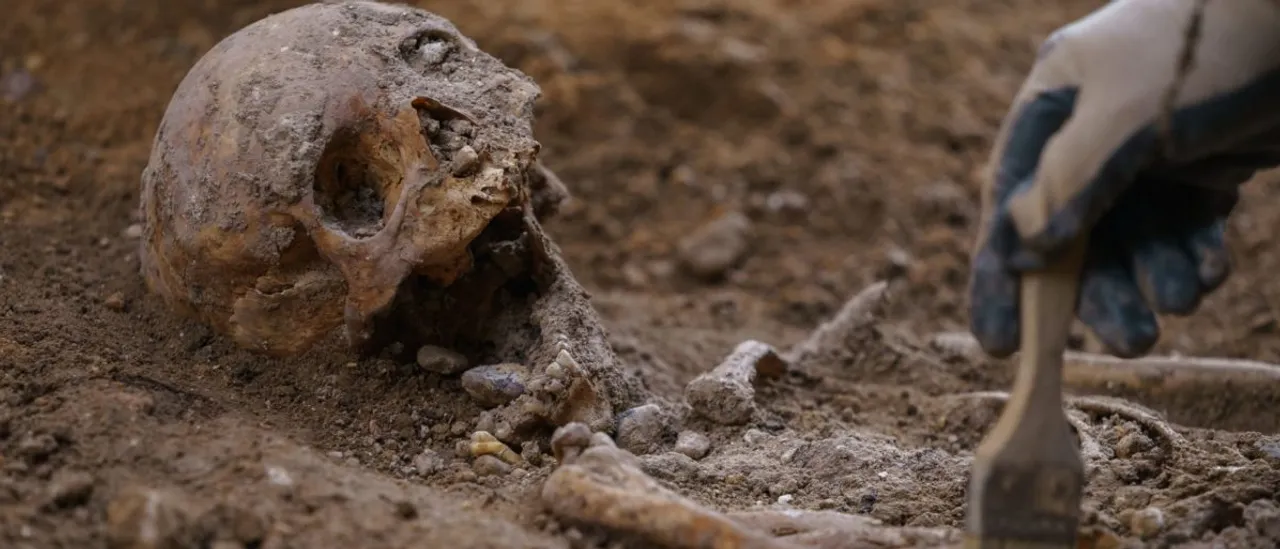
Seven male skeletons discovered at the bottom of an ancient well in Croatia likely belonged to Roman soldiers killed during one of history’s bloodiest periods, according to a new study.
Archaeologists found the remains in 2011 during excavations in Osijek, once the Roman city of Mursa. The bodies had been thrown into the well haphazardly, some head-down, and stripped of weapons and valuables before burial, according to a study published in PLOS One journal.
Radiocarbon dating placed the deaths in the second half of the third century, matching a Roman coin minted in 251 A.D. found in the well. Researchers believe the men died in the Battle of Mursa in 260 A.D., when Emperor Gallienus defeated the usurper Ingenuus.
The skeletons belonged to young and middle-aged males who stood taller than average for the region. All showed signs of intense physical activity and muscle use…