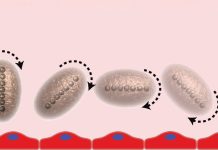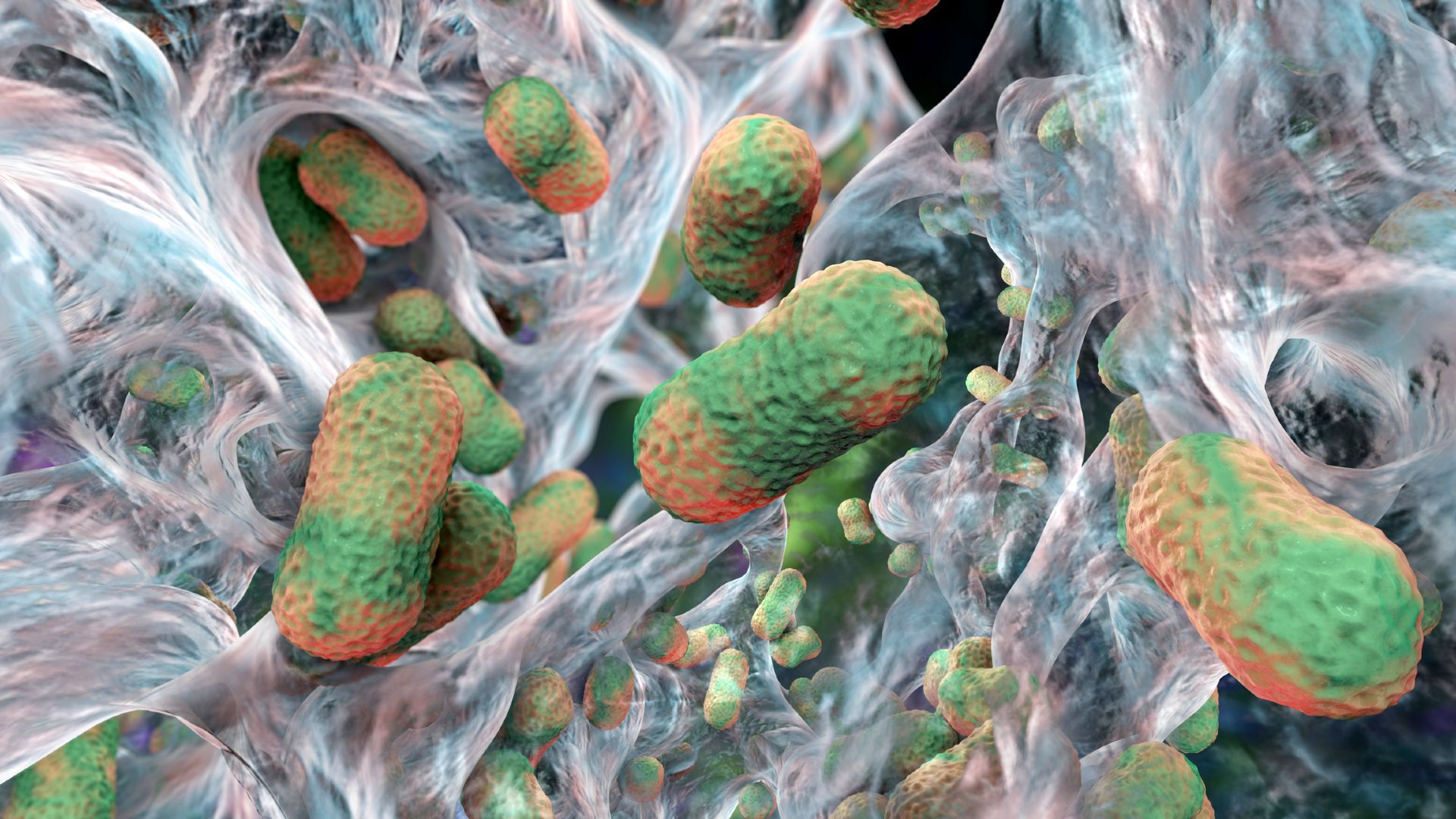
Antibiotic-resistant bacteria may have an Achilles’ heel: a unique sugar molecule found only on the outsides of bacterial cells.
Targeting this molecule can make the bacteria vulnerable to the immune system, which can then destroy the germs and clear infections, recent research in mice shows.
If the same effect can be demonstrated in humans, targeting this sugar molecule could offer a new approach to tackling a wide array of superbugs — including notorious species like Acinetobacter baumannii, Helicobacter pylori, and Campylobacter jejuni. That’s according to the researchers behind the study, which was published Feb. 4 in the journal Nature Chemical Biology.
“The next stage in the development of this concept is to produce an antibody that is suitable for use in humans,” said study co-author Ethan Goddard-Borger, who studies…