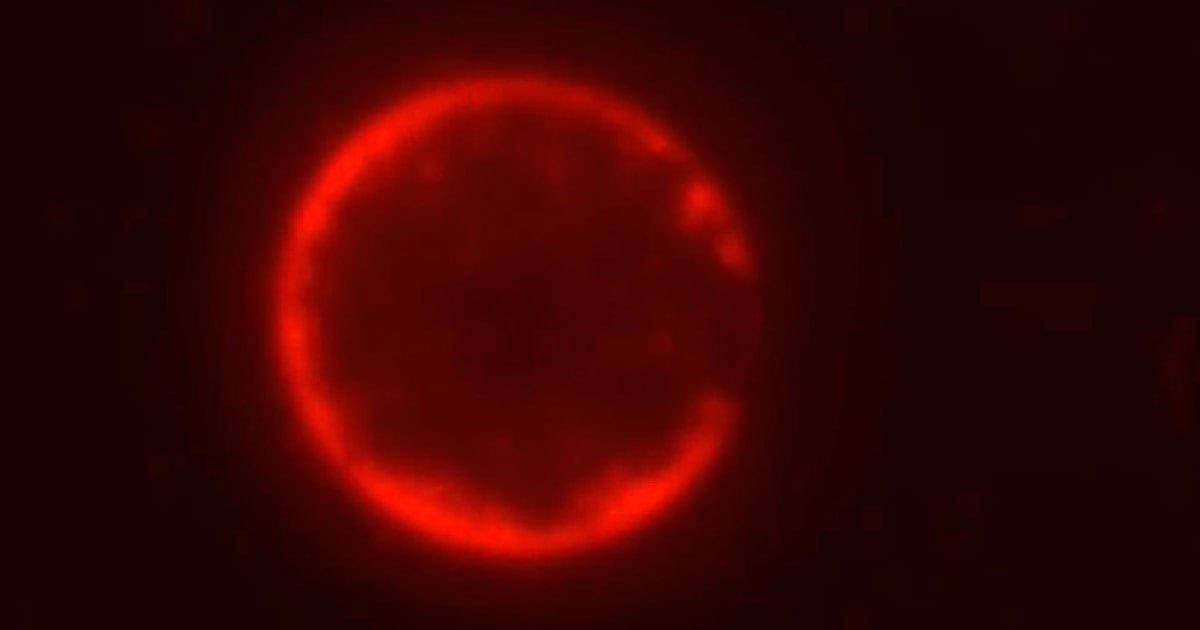
Scientists say they have created a fully synthetic cell that can feed, grow, replicate its genome, and divide, marking a major step toward building life-like systems from non-living chemical components.
The team from the University of Minnesota says its synthetic cell, called “SpudCell,” is the “first synthetic cell with a complete cell cycle.”
Researchers say it can “grow, replicate its genome, divide, and undergo selection and competition across multiple generations.”
The breakthrough could open the door to a new era of biotechnology in which synthetic organisms are built from scratch and programmed to carry out specific tasks.
Potential uses could include fighting cancer, capturing carbon, and helping scientists better understand what separates living systems from non-living chemistry.
University of Minnesota synthetic biologist Kate Adamala, who led the team, said…