Last week, PCOS got a major rebrand.
Polycystic ovary syndrome (PCOS) will now be known as polyendocrine metabolic ovarian syndrome (PMOS). The main critique of the old name was that it inaccurately described the condition, which affects about 1 in 8 women worldwide. It implied that ovaries covered in many pathological cysts are a central feature of the syndrome, and that is not the case.
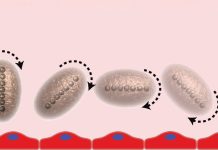
Studies have found that people with PMOS aren’t more likely to have pathological ovarian cysts than people without the disorder. Instead, they often have underdeveloped eggs, called “arrested follicles,” that accumulate in the ovaries due to the hormonal disruptions associated with the condition. The new name, experts say, better reflects the nature of the syndrome by focusing on these hormonal disruptions that then impact metabolic processes across the body — driving insulin resistance and weight…