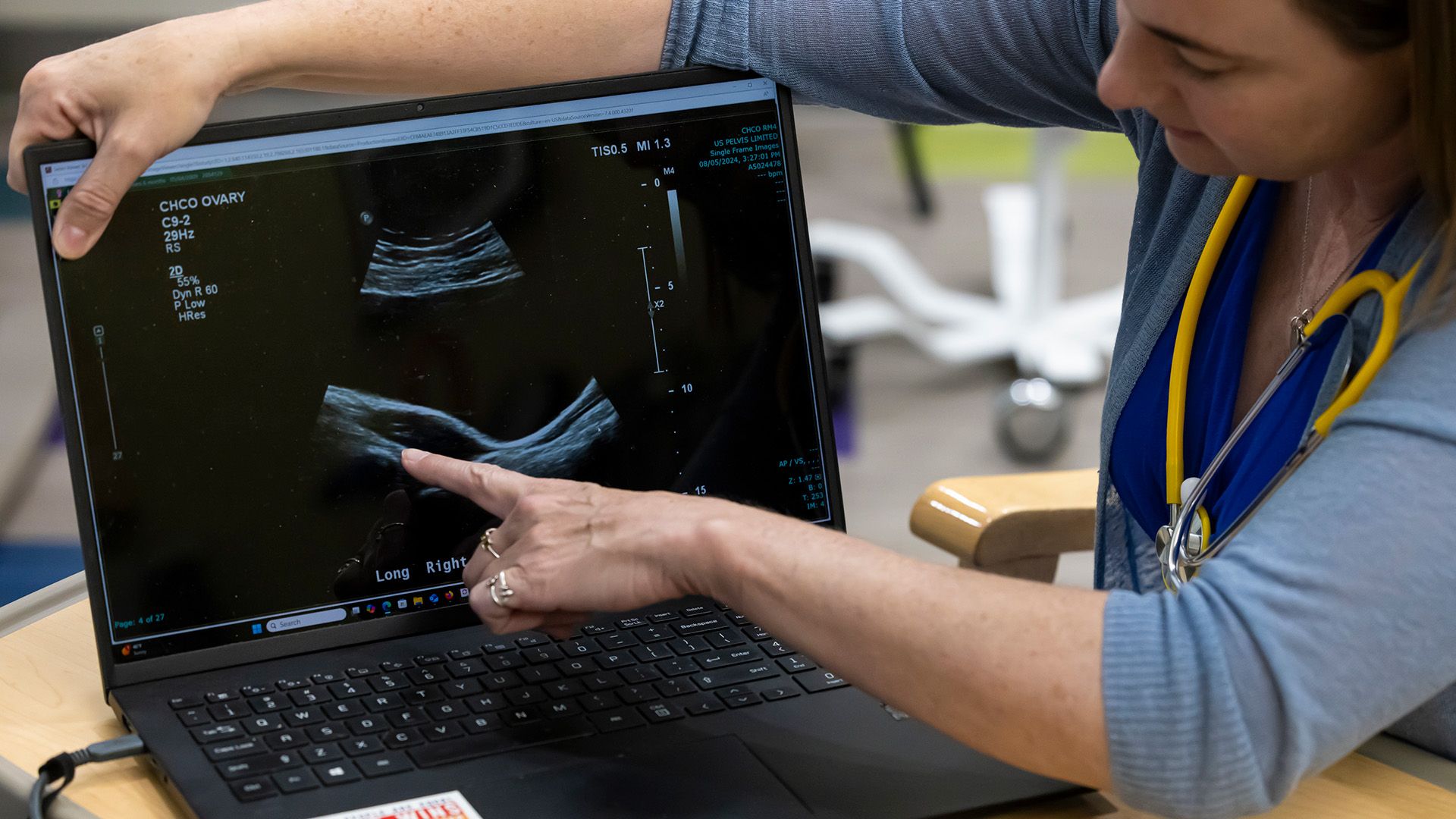
Polyendocrine metabolic ovarian syndrome (PMOS), previously called polycystic ovary syndrome (PCOS), is a common hormonal disorder in females. The condition has wide-ranging effects on the body, affecting metabolism, hair, skin and mental health, and sometimes making it hard to get pregnant, according to the Mayo Clinic.
PMOS affects over 170 million people of reproductive age worldwide, including up to 12% of U.S. women of reproductive age.
PMOS is characterized by high levels of androgens, the group of sex hormones that includes testosterone. It’s often associated with resistance to insulin, a hormone that regulates blood sugar. The condition can come with a range of symptoms, including irregular periods, excessive weight gain and hair growth, and acne.
Many individuals with PMOS also have underdeveloped eggs, or “arrested follicles,” lining the outer edges of their ovaries, which…