Commentary
“Oh, what a tangled web we weave, when first we practice to deceive!”—Sir Walter Scott, “Marmion.”
The Romans had a saying: “falsus in uno, falsus in omnibus”—“untruthful in one thing, untruthful in everything.” English common law subscribed to the same idea. If a witness lies about one detail, the courts can reject their entire testimony.
The legal courts are not the only venue in which we can see judgment in action however.
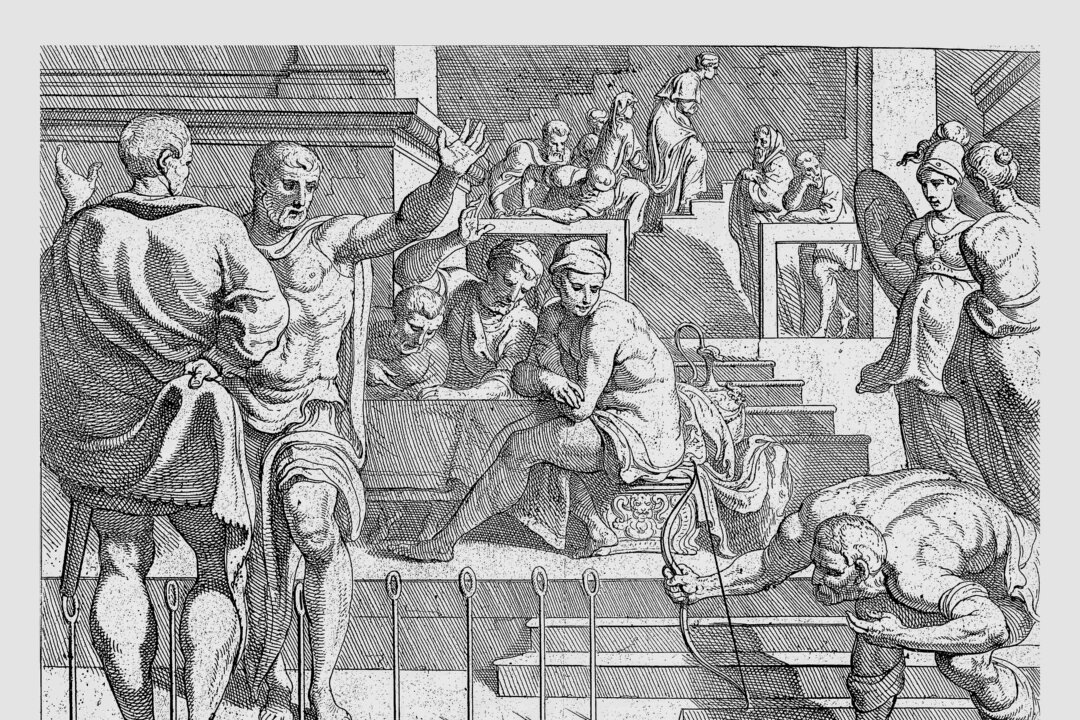
The “Odyssey” is filled with disguises and deceptions. Gods appear as humans, kings appear as beggars, servants prove nobler than aristocrats, while those that flout the gods with impunity (like the suitors) are ultimately doomed. Homer repeatedly forces his audience to confront a fundamental problem: things are not necessarily what they appear to be.
How does a wise man proceed? He learns to adapt to it.

The epic’s…