By Zorina Grey CBNC News
American naval forces have held the Strait of Hormuz under blockade since mid-July. Large crude carriers that once carried two million barrels or more no longer leave Iranian ports. Satellite images and commercial trackers show the main terminals at Kharg Island empty for weeks. The blockade has denied the regime an estimated twenty-five billion dollars in oil revenue and left parts of the Islamic Revolutionary Guard Corps unable to pay its own troops. That is the public record. It is not the full record.
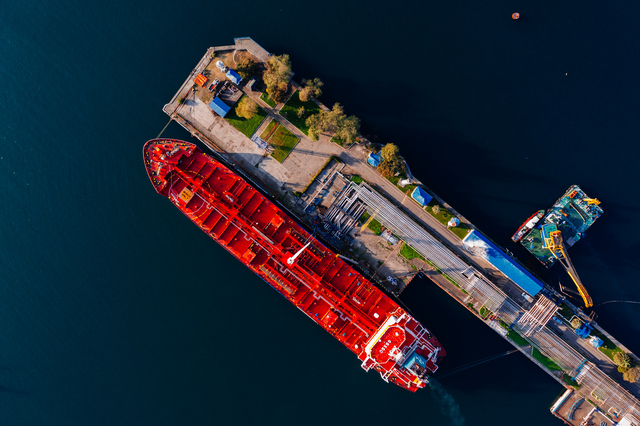
United Against Nuclear Iran investigators have now filmed smaller vessels slipping through. At least ten sanctioned tankers, each capable of carrying roughly five hundred thousand barrels of liquefied petroleum gas or oil, have departed the Gulf of Oman since the blockade was restored. One of them, identified as the SOGL, loaded at Assaluyeh in late August, cleared the American cordon on September 1, and was later filmed receiving services at a Malaysian offshore anchorage before continuing to a Chinese discharge port. UANI analysts state that most large ships are stopped. The smaller ones are not. The group chartered a supply vessel, sailed one hundred nautical miles into Malaysian waters, and recorded the transfers on video. The footage was shared with American media outlets this week.
China remains the primary destination. Refiners there continue to take the cargo at discounted prices. Iranian officials have said publicly that revenues from these shipments fund missile and drone programs. American officials have answered with successive rounds of Treasury sanctions on vessels, shipping companies, and facilitators. The sanctions designate hulls that change names, flags, and ownership structures. They do not stop every small tanker that turns off its Automatic Identification System and uses a third-country anchorage as a staging point.
The American cost is measured in the ships and aircraft that remain on station. Carrier groups, destroyers, and surveillance assets that could be rotated home or repositioned to the Pacific stay in the Gulf to enforce a policy that is only partially effective against the residual traffic. Fuel for those forces is American. The crews are American. The alternative—lifting the blockade without a verified end to Iranian nuclear work—would return the large carriers to the water and restore the full revenue stream that previously reached Tehran. Neither outcome is cost-free. The current arrangement leaves a gap large enough for several hundred thousand barrels at a time to move while the public is told the blockade is an overwhelming success.
European and Asian partners have issued their own statements about critical minerals and dual-use goods. None of those statements has produced additional hulls or additional boarding teams in the Gulf of Oman. The tankers that still move do so because the physical interdiction of every small vessel is expensive and because the receiving ports continue to accept the cargo. America sets the frame by maintaining the blockade. The frame does not yet include a complete stop to the residual traffic that reaches Chinese ports.
The contradiction is plain. American forces hold the large ships at the entrance to the Gulf while smaller Iranian tankers continue to deliver sanctioned product to the same Chinese buyers that have sustained the regime for years.
Sources: https://justthenews.com/government/security/us-investigators-record-iranian-ghost-fleet-evading-naval-blockade-route-china https://dailycaller.com/2026/10/19/trump-blockade-iran-crude-oil-shipment-kpler/ https://www.theepochtimes.com/world/us-imposes-new-wave-of-sanctions-targeting-irans-shadow-fleet-networks-6107126