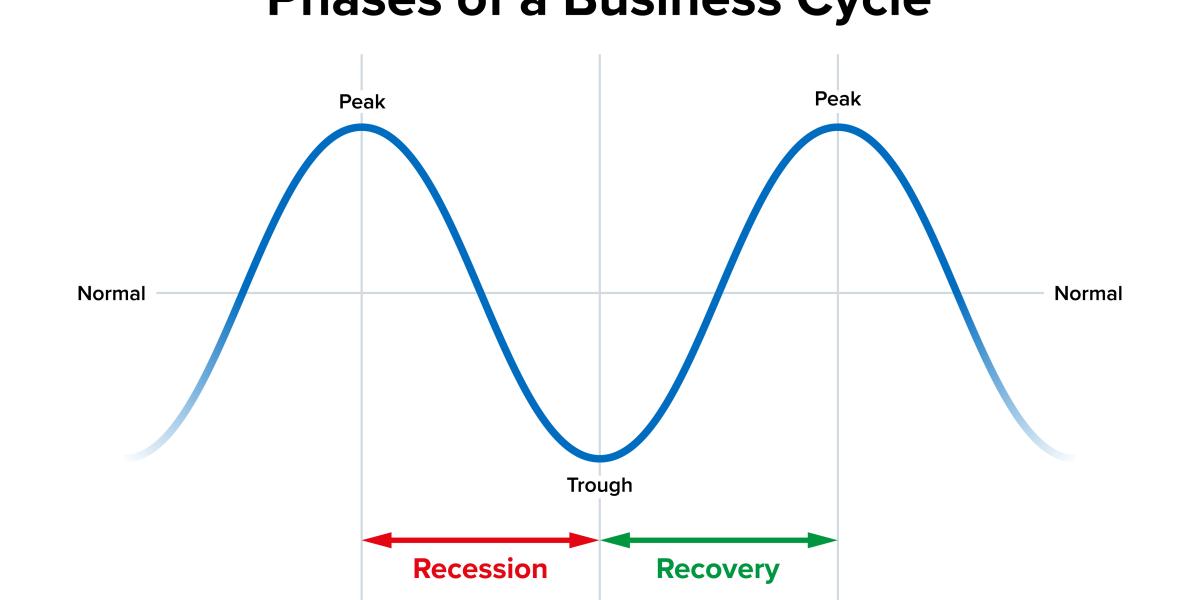
Since the introduction in 1912 of Ludwig von Mises’s Austrian business cycle theory (ABCT) in his book The Theory of Money and Credit, it has been subject to relentless criticism. According to the ABCT, the artificial lowering of interest rates by the central bank via inflationary credit expansion leads to a misallocation of resources on account of the fact that businesses undertake various capital projects that, prior to the lowering of interest rates, weren’t considered profitable. This misallocation of resources is commonly described as an economic boom. The process, however, is brought to a halt once businessmen discover that the lowering of interest rates is not in accordance with consumers’ time preferences.
As a rule, businessmen discover their error once the central bank—instrumental in the artificial lowering of interest rates via artificial credit…