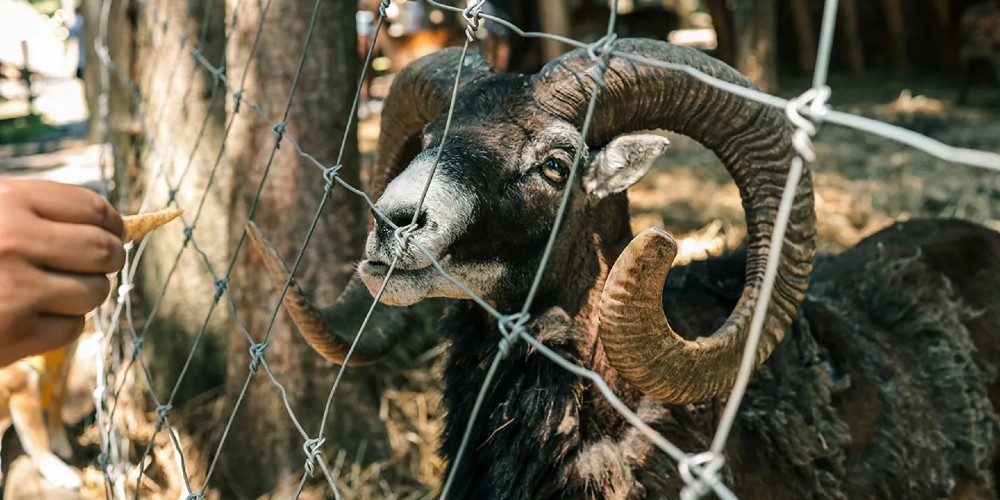
Scientists have uncovered a key piece of the puzzle in understanding an ancient strain of plague that haunted Eurasia for nearly 2,000 years during the Bronze Age. DNA from the bacterium Yersinia pestis was extracted from the tooth of a domesticated sheep that lived over 4,000 years ago in southern Russia, near the Kazakhstan border at the fortified settlement of Arkaim.
This marks the first time the plague has been confirmed in a non-human host from that era. Previous ancient DNA evidence came only from human remains scattered across the continent, leaving researchers wondering how the disease moved so widely without the flea-based transmission that defined later outbreaks like the Black Death. The sheep’s remains point to livestock as a critical bridge between wild animals and people.
Study co-author Taylor Hermes, an archaeologist at the University of Arkansas, noted…