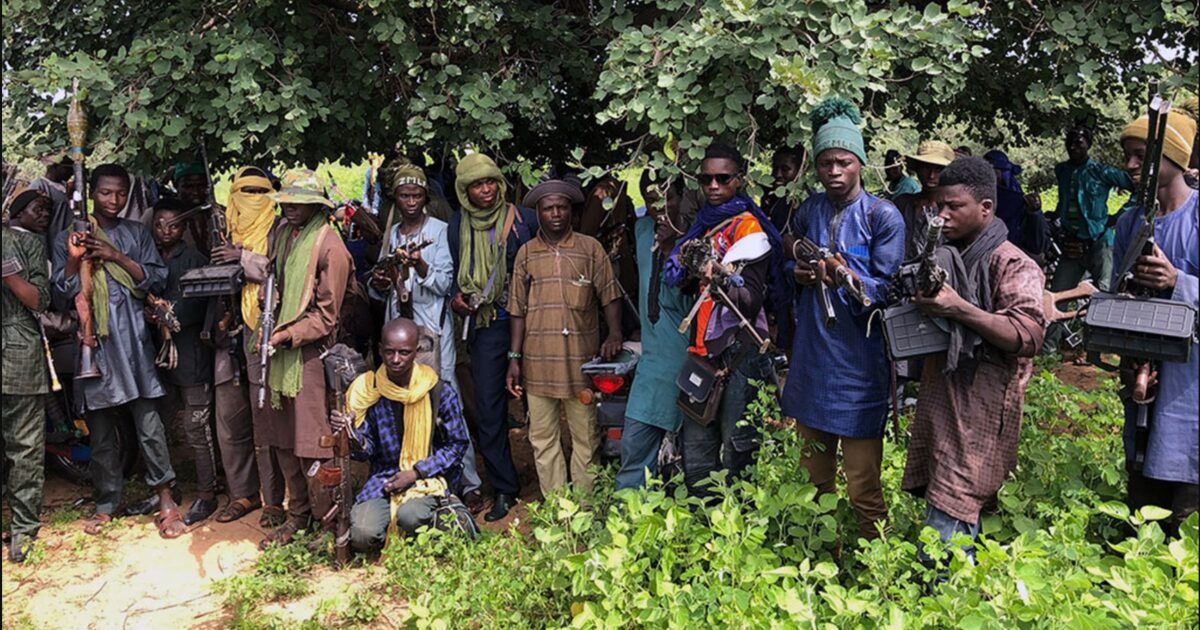
For years, Christian communities across Nigeria’s Middle Belt have viewed the Fulani militant attacks on their villages as more than criminal violence. They see them as a religiously motivated campaign to drive Christians from their land, destroy their churches, and erase their presence from the region.
Alongside that conviction has been another persistent belief: that the scale, coordination, and sophistication of the attacks require substantial financing, and that someone powerful, whether a government official, political network, or well-connected patron, is providing it. Court documents, senior military testimony, and a recent federal prosecution are now giving that belief an evidentiary foundation.
On June 22, 2026, the Economic and Financial Crimes Commission (EFCC) filed a 12-count charge before the Federal…