By: Evangelyn Rodriguez
- Long-term consumption of chlorinated tap water is linked to increased rates of bladder and colorectal cancers due to carcinogenic byproducts like trihalomethanes (THMs).
- Chlorine reacts with organic matter to form THMs, including chloroform, which are tied to cancer, heart disease, reproductive harm and oxidative damage.
- Studies revealing these risks faced publication delays, and regulatory agencies like the EPA have failed to enforce stricter limits and safer alternatives.
- THM exposure is also associated with miscarriages, atherosclerosis, respiratory and skin irritation, and gut microbiome destruction.
- Use carbon or reverse osmosis filters, limit chlorinated pool use, ventilate showers, boost antioxidants (vitamin C and E), and avoid humidifiers with tap water to protect yourself from chlorine’s dangers.
For decades, chlorinated tap water has been considered a hallmark of public health safety—effectively eliminating harmful pathogens and preventing waterborne diseases. Yet mounting scientific evidence suggests that this widespread disinfection method may come at a steep cost: an increased risk of cancer.
Research from institutions such as the Medical College of Wisconsin has uncovered alarming connections between long-term consumption of chlorinated water and elevated rates of colorectal and bladder cancers. With over 98% of U.S. water supplies treated with chlorine, millions of Americans may unknowingly be exposing themselves to carcinogenic byproducts—raising urgent questions about water safety regulations and public health priorities.
Trihalomethanes: The hidden danger in tap water
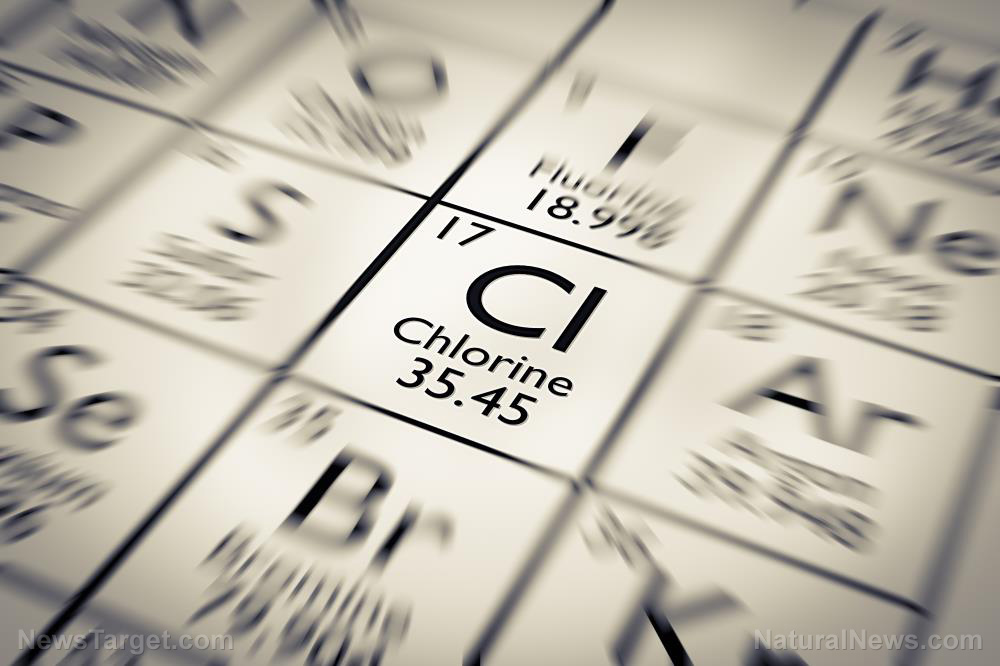
Chlorine, while effective at killing bacteria, reacts with organic matter in water to form toxic compounds known as trihalomethanes (THMs). These byproducts—including chloroform, a Group B carcinogen—have been linked to serious health risks, including cancer, heart disease and reproductive harm.
A landmark meta-review published in the American Journal of Public Health pooled data from ten studies and found that individuals consuming chlorinated water faced a 21% higher risk of bladder cancer and a 38% increased risk of rectal cancer compared to those drinking non-chlorinated water. The researchers estimated that chlorinated water accounts for 6,500 cases of rectal cancer and 4,200 cases of bladder cancer annually in the U.S.
Further supporting these findings, a Swedish cohort study published in the Journal of the National Cancer Institute tracked nearly 59,000 individuals over 16.8 years. Researchers found that men exposed to higher THM levels (?15 micrograms, mcg/liter, L) faced a significantly elevated risk of colorectal cancer, particularly in the proximal colon.
Other THMs to watch out for, according to BrightU.AI‘s Enoch engine, include bromodichloromethane, dibromochloromethane and bromoform (tribromomethane), all of which are linked to increased risks of bladder, rectal, kidney, stomach, brain and pancreatic cancers, as well as liver damage, reproductive toxicity and neurological effects.