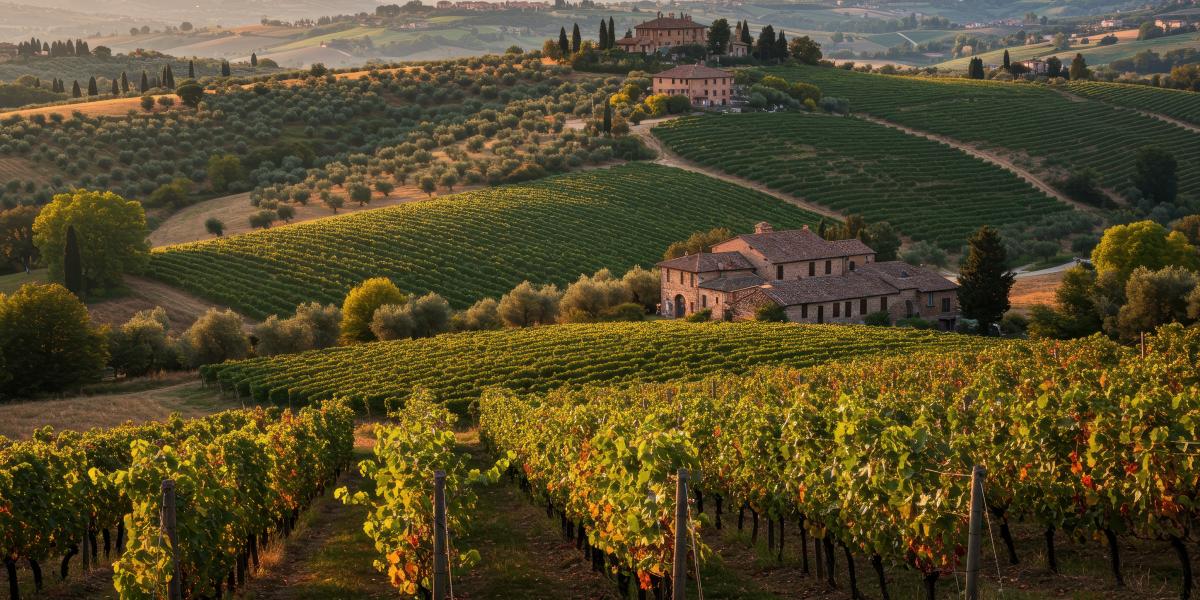
Until the Industrial Revolution came along, communities could only grow and thrive if they first managed to push agricultural productivity well beyond bare subsistence. Italy’s late-medieval and Renaissance ascent—from 1250 to the mid-16th century—demonstrates how a functioning rural economy could break the cycle of the chronic poverty that had shackled mankind for millennia.
For three full centuries the communes of central and northern Italy turned themselves into Europe’s greatest commercial hubs. Wool and silk workshops, goldsmiths, armorers, and bustling trade fairs sprang up at a relentless pace, propelled by an exploding credit sector. However, none of this urban efflorescence would have been remotely possible without the countryside doing its part—and more than its part. Italian farmers delivered steady surpluses of food, raw materials (especially wool and dyestuffs),…