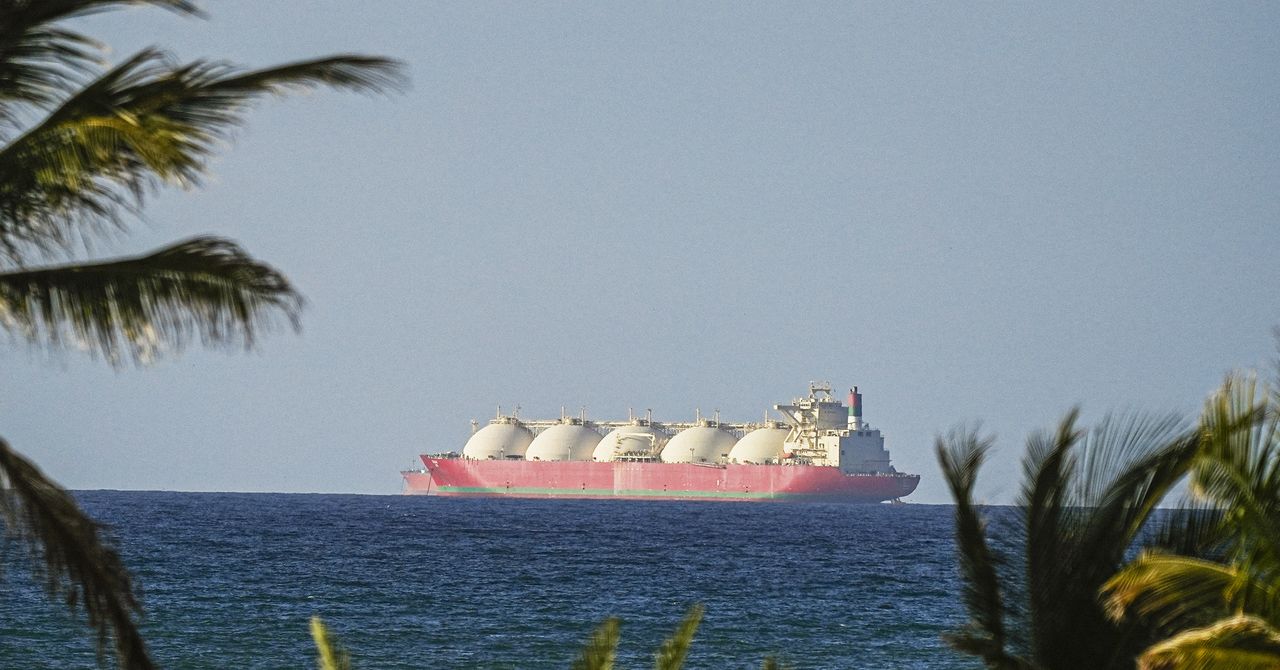
As the world held its breath on Tuesday night, news of a ceasefire and the potential reopening of the Strait of Hormuz brought a collective sigh of relief. But with shipments stalled in the strait for over a month, the disruption to global shipping will not resolve immediately.
“Traffic through Hormuz dropped by about 95 percent [during this conflict]. As a result, prices surged, and not just for crude oil but also for refined products like jet fuel, diesel, and gas oil,” says Carsten Ladekjær, CEO at Glander International Bunkering, which specializes in supplying fuel and lubricants to the global shipping industry.
The impact has been uneven across regions. Countries heavily dependent on Middle Eastern energy—particularly in Asia—have been most affected. India sources around 55 percent of its energy imports from the region, China about 50 percent, Japan 93 percent, South…