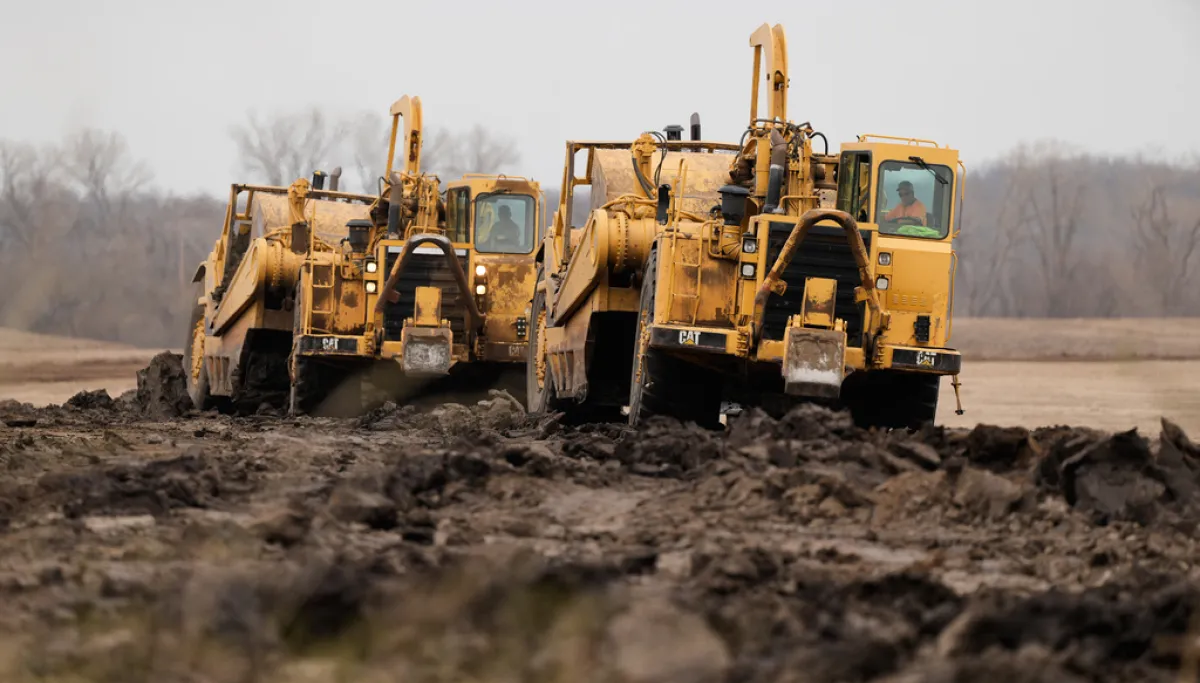
Passed by Congress in 1972, the Clean Water Act gives the EPA authority to regulate the discharge of “pollutants” into the “waters of the United States,” including not just “chemical wastes” but also “rock,” “sand,” and “dirt.” This means even a simple single-family home can trigger a costly federal permitting process if regulators determine that moving dirt, rocks, or fill material on a small parcel of land could affect the “waters of the United States.”
From the beginning, there was much controversy surrounding what qualified as “waters of the United States,” with Democratic administrations taking an expansive view that granted the EPA authority over every swimming pool, puddle, and ditch in the country while Republican administrations took a much narrower view that included traditional navigable waters and their adjacent wetlands, but not every patch…