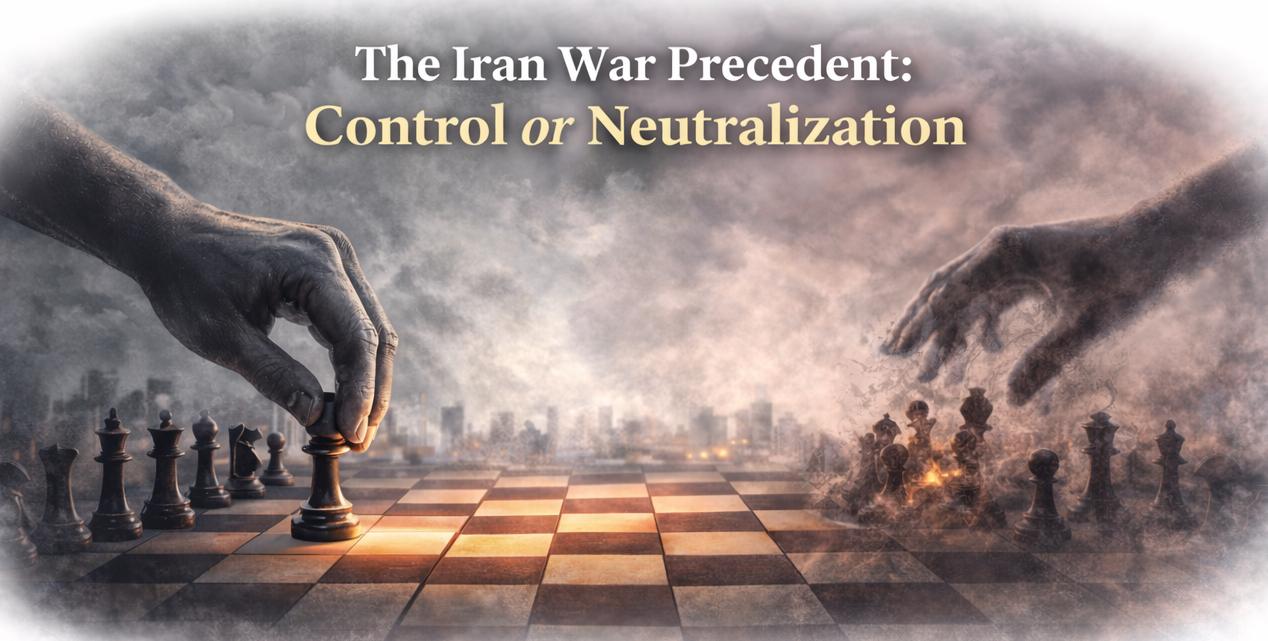
In Seoul, there are quiet conversations about what the war in Iran means beyond the oil shortages and economic crises. The gravest concern is that U.S. action has established a precedent: contested regions where continental and maritime powers collide can be controlled or neutralized.
Control seeks to incorporate a space into one’s own strategic system – through alliance, occupation, or political dominance – so that it can be used to project power and shape the broader balance.
Neutralization, by contrast, is a strategy of denial. It does not require ownership, only that the space be rendered unusable to rivals – politically constrained, militarily limited, or strategically inert.
Where control is ambitious, costly, and often escalatory, neutralization is narrower and more pragmatic – and this is where we are with the U.S. in Iran.
Great powers…