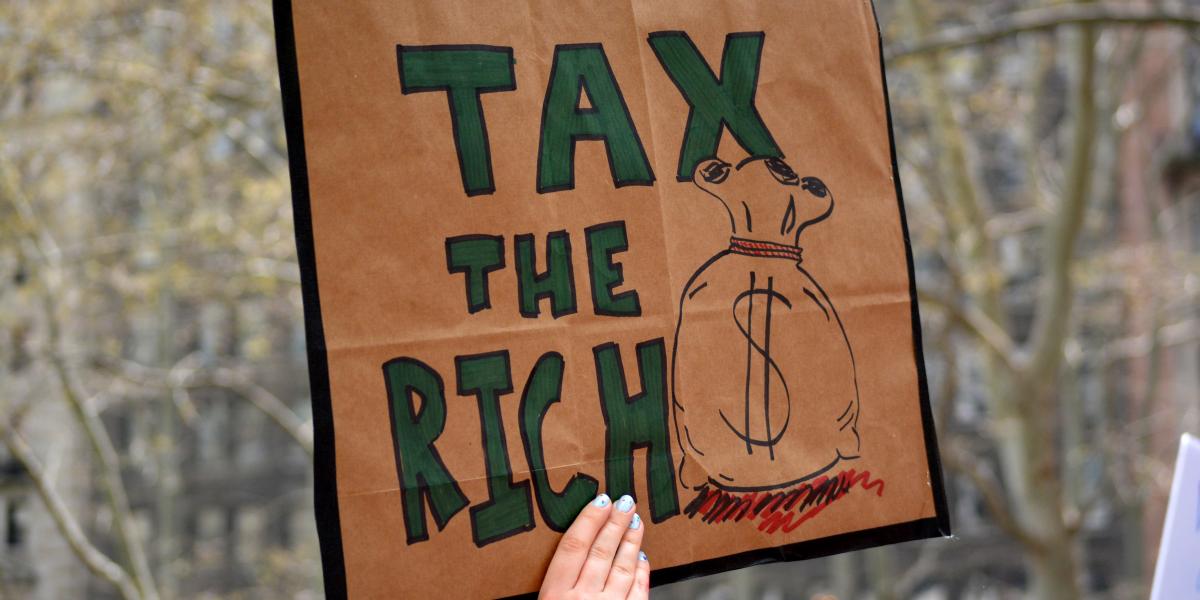
It has become fashionable to believe that inequality and “extreme” wealth compromise democracy, and that, consequently, taxes on high incomes and wealth must be increased even further. Several left-oriented economists (such as Krugman, Stiglitz, and Zucman) and political and social leaders have endorsed this idea, which easily resonates with citizens burdened by stagnant real wages in societies sclerotized by state interventionism and excessive regulation. Faced with the facile slogan and the demagogic manipulation suggesting that if “those at the top” pay more, the social “contract” is reinforced and democracy is purified, it is the duty of every good economist to ask some uncomfortable questions. For example, who will ultimately end up paying more: the caricatured rich, or ordinary workers in the form of poorer jobs and lower future wages? And what real effect does all…