Photo – Crush Rush/Shutterstock.com
By Zorina Grey CBNC News
The United States is negotiating with the government in Caracas for a legal framework that would let American troops operate on Venezuelan soil, and that decision puts American security interests ahead of an old hemispheric arrangement that left Russia, China and Iran free to drill, train and trade in America’s backyard.
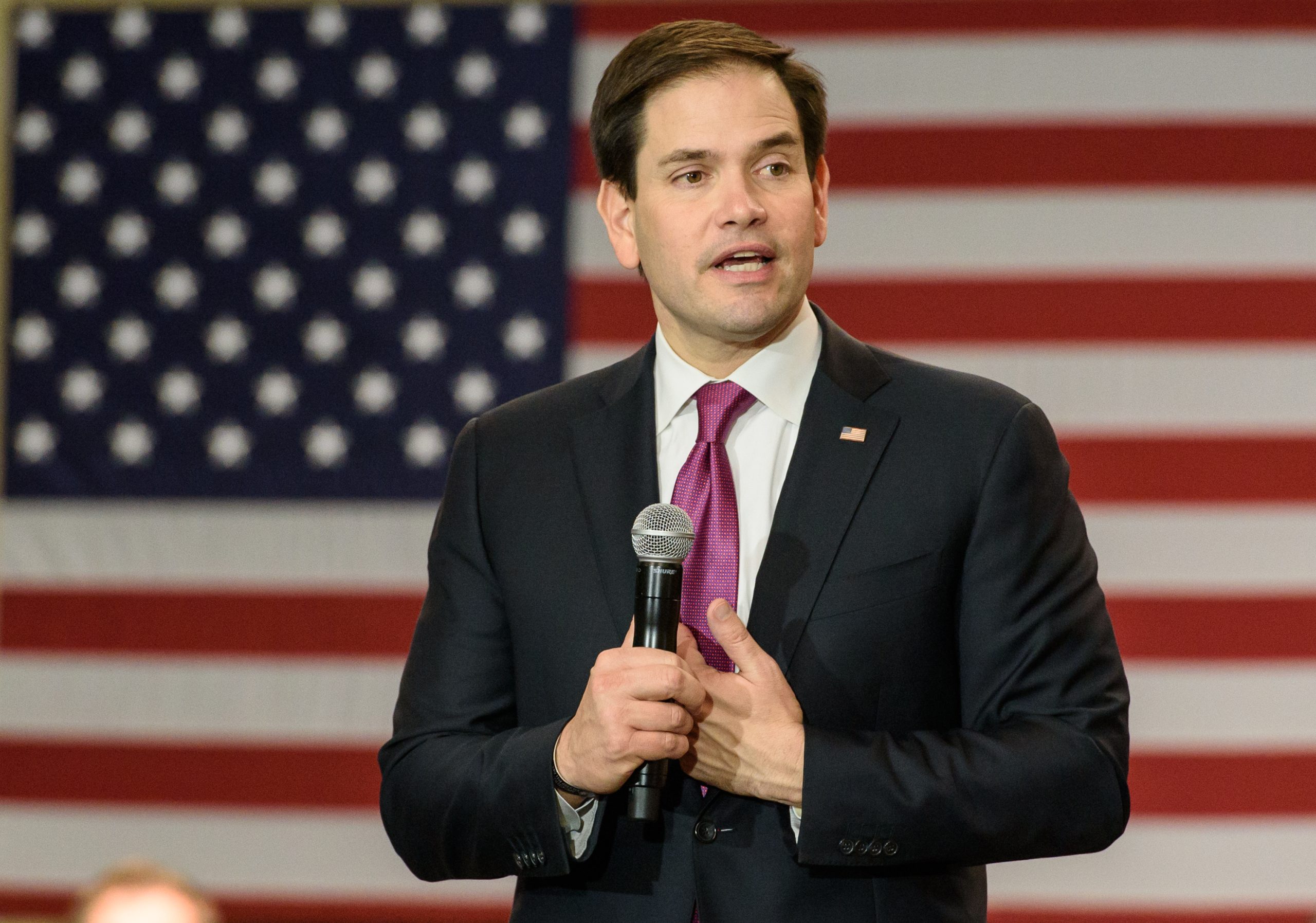
Secretary of State Marco Rubio confirmed the talks in an interview with The New York Times at the White House on Thursday. He called it a “presence agreement,” which he said the administration wants “largely from a legal standpoint, to make sure that our troops there have legal protections and they’re operating jointly with them.” He added that the two governments would have to hold a deeper conversation over time about what kind of enduring cooperation follows. The Center Square, reporting for Just the News, noted that there are currently no American military bases anywhere in South America.
The timing matters. The Times reported that American and Venezuelan forces jointly attacked Colombian guerrillas sheltering on Venezuelan territory on Friday, the first operation of its kind between the two longtime adversaries. Rubio declined to comment on that report, but he did say he welcomed closer military cooperation. His reasoning was stated plainly: a Venezuelan military that works with American armed forces and the Drug Enforcement Administration is “far preferable” to one that works with “foreign actors, with malign interests.”
Those foreign actors were not hypothetical. The Center Square recalled that Venezuela hosted military drills with Russia, China and Iran in 2022. That arrangement ended with the American operation that arrested Nicolas Maduro and his wife at the start of this year. Since then, Washington has taken a controlling interest in the country’s direction. Rubio is steering much of Venezuela’s finances and government from Washington, according to the Times, and President Trump told The Center Square that the United States is taking a great deal of Venezuelan oil and will begin filling its strategic petroleum reserve with it “for very little money.”
The strategic objective is straightforward. The United States wants the largest oil reserves in the Western Hemisphere to sit inside an American security perimeter instead of a Chinese or Iranian one, and it wants a standing partner against the cartels and guerrilla groups that move drugs north. The alternative left in place if Washington walks away is the one Americans already lived with for two decades: a hostile Caracas, a Russian and Iranian military foothold, and Chinese money filling every vacuum.
The collectivist claim, voiced by the usual chorus of multilateral commentators, is that such an arrangement is a relapse into imperial habit and that hemispheric security should be settled by regional consensus. That claim fails against capacity and incentive. No regional body has the navy, the intelligence service or the air power to police Caribbean smuggling lanes, and no regional body has ever shown an incentive to do so at its own expense. The American taxpayer already funds the interdiction. A legal agreement that protects American troops, shares the burden with a host government, and keeps adversaries out is the cheaper way to do a job that Washington is already doing.
The caveats are real and the administration states them. American Greatness reported that the move is part of a wider reshuffling of the American footprint, with two new bases agreed in Greenland, a troop drawdown confirmed in Germany, and more forces floated for removal from Italy and Spain. Rubio also said elections in Venezuela would ideally be held next year, but only after a new Supreme Court, a new electoral council, and progress on a debt pile believed to exceed 200 billion dollars. He declined to guarantee a vote before President Trump leaves office.
Those conditions are the cost side of the ledger. Troops on the ground require a legal shield, a durable host government, and a mission that the American public understands. Washington has the first under negotiation, a partial version of the second, and a record of delivering the third only when results come quickly.
The hemisphere that borders the American homeland is finally receiving American attention, and a president who is pulling forces out of Germany is putting them where American interests are most exposed. That is the right order of priorities.
Sources
https://justthenews.com/nation/states/center-square/rubio-says-us-talks-establish-military-presence-venezuela
https://dnyuz.com/2026/11/06/rubio-says-elections-in-venezuela-would-ideally-be-held-next-year/
https://amgreatness.com/2026/11/08/rubio-says-u-s-in-talks-to-establish-military-presence-in-venezuela/
https://www.thecentersquare.com/national/article_16c06183-e8c7-4c30-b9b1-6c8be99b3bb9.html