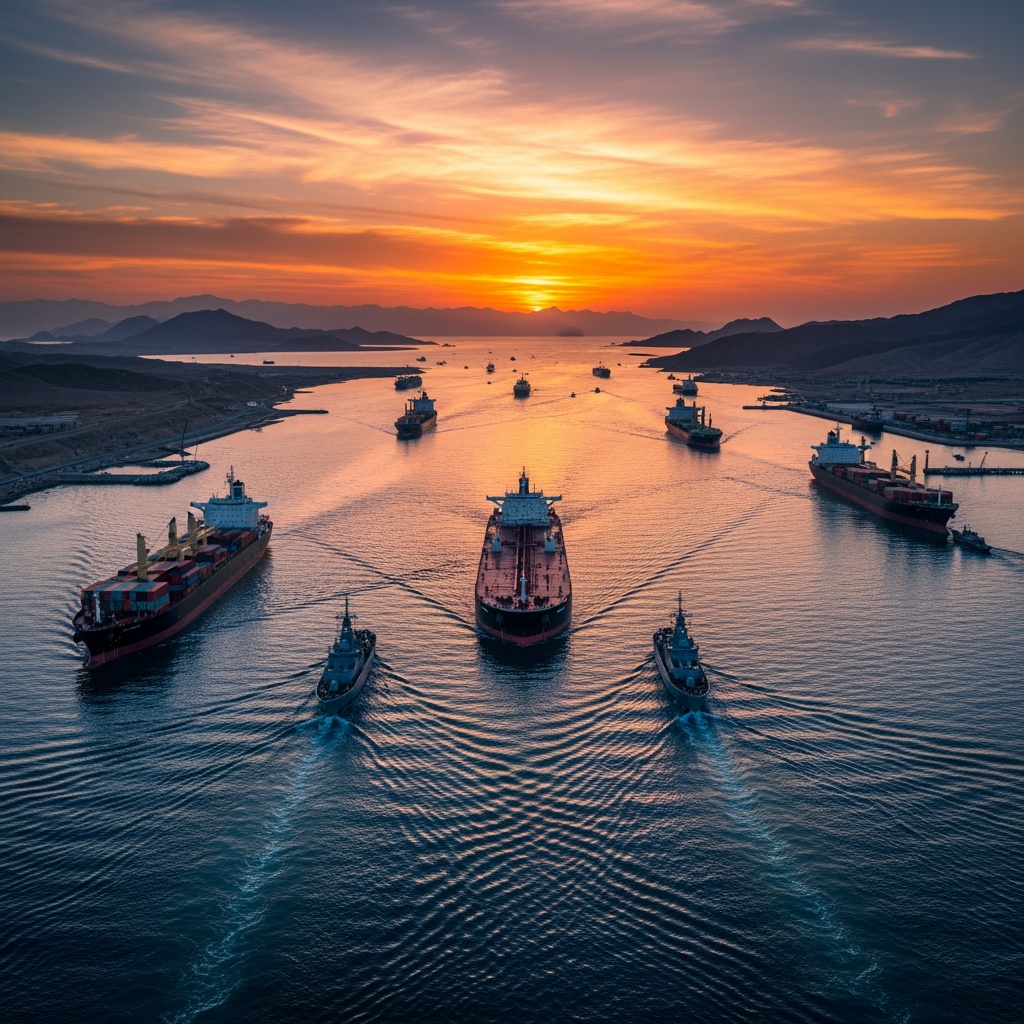
The problem with an oil crisis is that the public never feels it all at once because oil does not move by magic. It moves by ship, and ships move slowly. That delay is precisely why people are still underestimating what lies ahead. Before this war shut the Strait of Hormuz, roughly 20.7 to 20.9 million barrels per day of crude, condensate, and petroleum products were moving through that chokepoint, including about 14.7 million barrels per day of crude and condensate and another 6.1 million barrels per day of petroleum products. The IEA now says the war has created “the largest supply disruption in the history of the global oil market,” with flows through Hormuz plunging from around 20 million barrels per day to a trickle, Gulf producers cutting output by at least 10 million barrels per day, and nearly 20 million barrels per day of crude and product exports disrupted.
People keep…