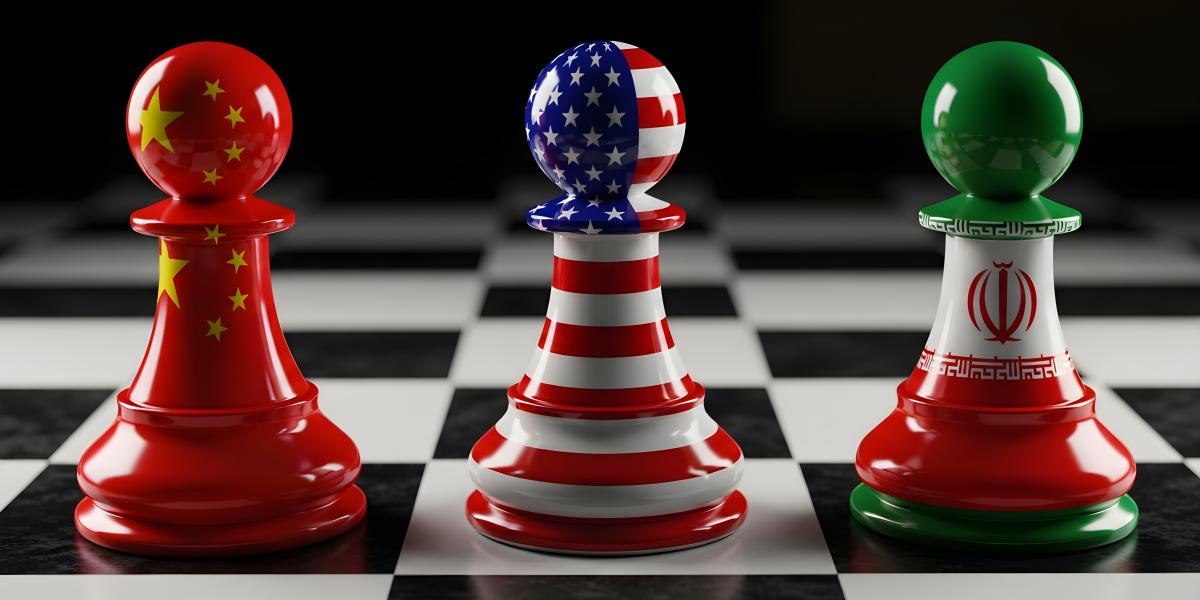
Two monetary and currency paradoxes emerge as the war rages.
First, there is likely an immediate episode of some monetary disinflation, never mind the widespread concern about a looming jump in consumer prices.
Second, the currencies of the US and China, have both gained, but in different ways. The currency of China, a provider of an economic and military lifeline to Iran, is winning international business in consequence of its use in dealings — despite US sanctions — with and between the two states. The US dollar’s observed strength in the war so far stems from US economic resilience to Gulf energy supply shock and a perceived tightening in US monetary conditions.
The good news: the US monetary situation on the eve of the war was inflationary — indeed the longest unbroken monetary inflation in modern history — and so some disinflation now, whether intentional or not, should…