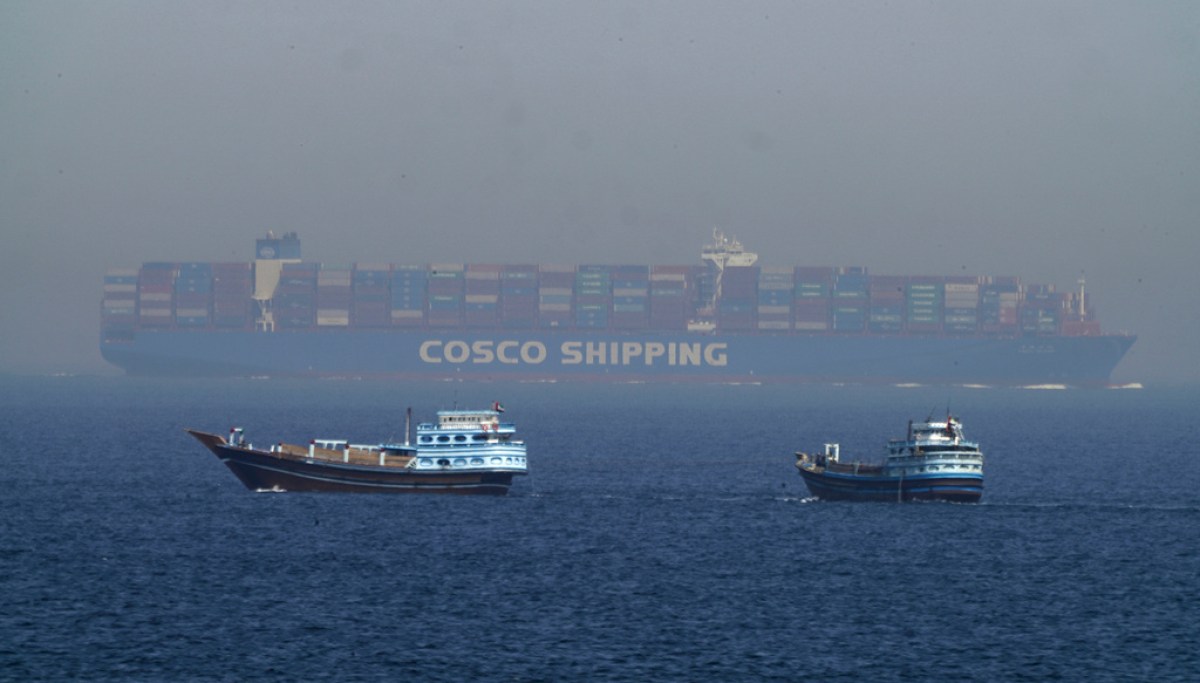
In the volatile waters of the Strait of Hormuz, maritime traffic has slowed to an agonizing crawl. Roughly a fifth of global oil trade passes through this narrow passage. Nearly half of the crude oil headed toward Asia must cross these waters.
As the Iran war escalated, insurance firms raised premiums sharply, ship operators slowed departures, and cargo owners started holding back shipments. The result is a choke point where the world’s energy arteries suddenly look sclerotic.
You are watching, in real time, how a decade of climate-themed hostility to fossil fuels has hollowed out resilience. Governments told you that restraining domestic drilling and pipeline construction in the name of “net zero” would make the world safer. The Strait of Hormuz today tells a different story.