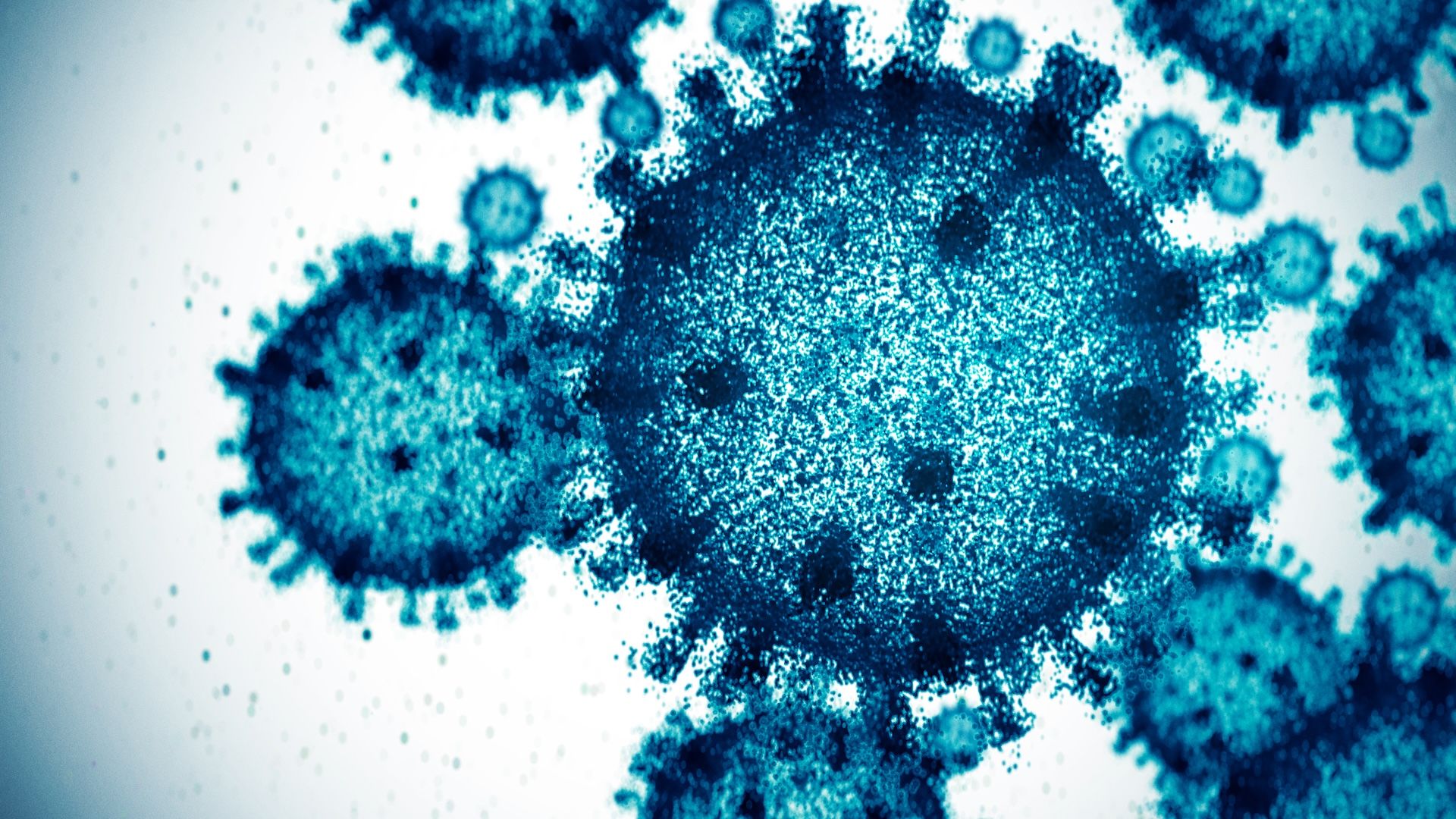
Viruses are microscopic infectious agents that are commonly known for their role in causing disease. They contain either RNA or DNA as their genetic material and need to infect host cells in order to survive and replicate. Some of the most famous viruses that infect humans include influenza (or the flu), human immunodeficiency virus (HIV), SARS-CoV-2 and Ebola. However, viruses are not the only infectious agents; bacteria, fungi and parasites can also all trigger diseases. Furthermore, there are a plethora of conditions that are not spread from one person to the next, known as “non-communicable diseases.” These include cancer, diabetes, heart disease and neurological conditions such as Alzheimer’s. Learn more about the latest research concerning viruses, infections and diseases in our articles below.