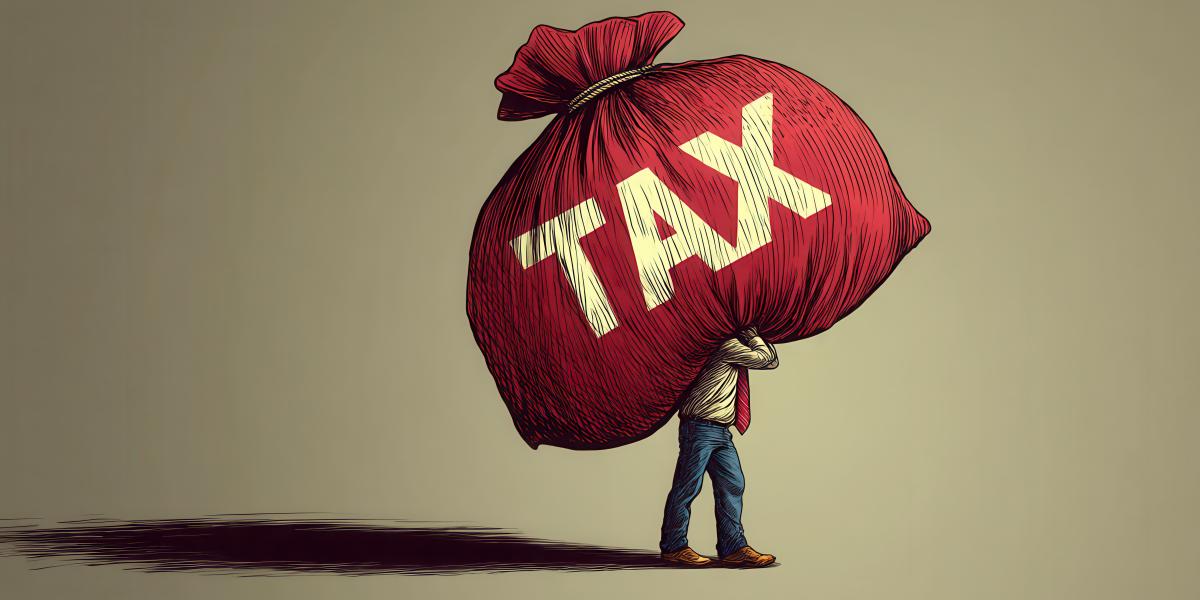
In 1918, the Austrian political scientist Joseph Schumpeter delivered a now-famous lecture titled “The Crisis of the Tax State.” The question he addressed was whether or not the First World War would bring about a destructive fiscal crisis for European states. Would the burdens of post-war debt and taxation threaten to destroy these states? Many at the time believed that it would be difficult or impossible to fiscally recover from the enormous debts and tax liabilities incurred by states during the war.
Schumpeter, however, concluded that the states of Europe would easily survive whatever fiscal strains might be caused by the war. After all, he noted, the states of Europe were well developed “tax states” by the early twentieth century. In the short and medium term, at least, the ruling regimes of Europe could essentially raise revenue at will, and the state organizations…