

By Johnny Tango CBNC News
The Pentagon went on the record Sunday to say the classified document at the center of the Washington Post’s Iran-Starlink story is one it cannot find, and the same morning the Democrat about to take the gavel of the House Intelligence Committee was on television demanding that Elon Musk’s company answer for it anyway. Chief Pentagon spokesman Sean Parnell said on X that the Defense Department has “no record” of a U.S. Central Command report sent to Defense Secretary Pete Hegseth’s office about Iran using Starlink, and that officials told the Post as much before the story ran, “but they published anyway.”
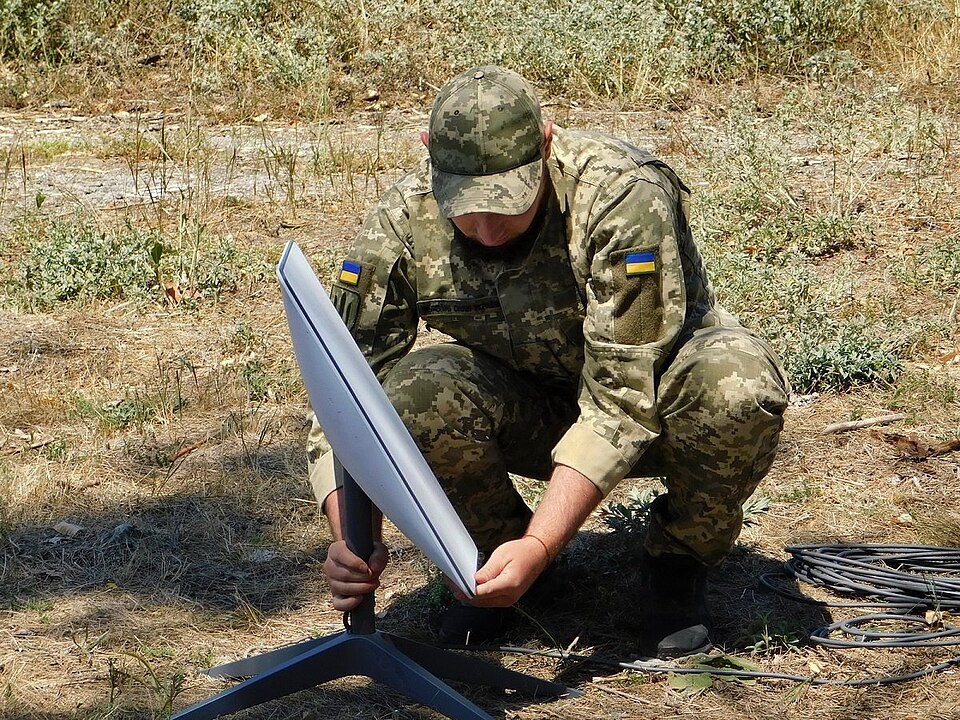
The Post reported Saturday that Musk learned in the first week of March, as American and Israeli strikes on Iran began, that Tehran was exploiting Starlink to run its campaign against U.S. forces after American bombs knocked out its conventional communications. The paper said Iran used the satellite service for command and control of its forces and to guide one-way attack drones, and that the allegations appeared in a classified briefing prepared for Hegseth. The same report said the U.S. military itself had been flying one-way drones on Starshield, the militarized version of the service, under a cheaper ground subscription plan.
Musk said back in March that putting commercial Starlink terminals into weapons systems violates the service’s terms. The Verge reported that SpaceX also paused an indirect reselling program that had allowed authorized resellers to pass terminals to sub-resellers, a pipeline that made it harder to know who was holding the hardware at the end of the chain.
None of that slowed Rep. Jim Himes of Connecticut. Himes, the ranking Democrat on the Intelligence Committee, who will chair it when Democrats take the House in January, told CNN’s “State of the Union” on Sunday that Iran’s use of Starlink is on the list of things SpaceX needs to answer for. He also pressed the company over the October disruptions to Starshield service in Ukraine, asking on air what happened there.
So here is where things stand on a Sunday morning in Washington. The Pentagon says the key document does not exist in its records. The newspaper says it does. And the incoming chairman of the committee that is supposed to sort out exactly that kind of dispute has skipped the sorting and gone straight to the witness list, aimed not at the regime in Tehran that fired the drones but at the American company whose network the regime allegedly hijacked. That is like blaming the phone company because the kidnapper made the ransom call.
The Democrats’ case is simple: a private company controls a network that both sides used in a shooting war, so the company owes Congress an explanation. The verified facts point the other way. Musk’s own team flagged the misuse as early as March, according to the Post itself, the company has said weapons use breaks its rules, and the Defense Department, the agency that would actually hold a CENTCOM report, says it has no record of one.
There is a real national-security question buried in all of this, and it deserves a straight answer. If Iran’s forces got hold of Starlink terminals, the question is how they got them, who sold them, and what American forces did to shut the access down. That is a question for CENTCOM, for the Pentagon, and for the intelligence agencies Himes is about to oversee. Turning it into a Musk hearing before anyone settles whether the document even exists does nothing for the troops who were on the receiving end of those drones. It only tells Americans the new majority already knows who it wants in the witness chair, whatever the records say.
Sources:
aa.com.tr/en/americas/us-disputes-report-alleging-iranian-military-used-starlink-during-operations-against-american-forces/4142172
washingtonpost.com/politics/2026/11/29/elon-musk-must-answer-irans-starlink-use-key-house-democrat-says
washingtonpost.com/national-security/2026/11/28/iran-used-elon-musks-starlink-internet-satellite-system-attack-us
edition.cnn.com/2026/11/29/politics/video/starshield-ukraine-sotu
theverge.com/science/1045688/iran-starlink-war