
By Zorina Grey CBNC News
The Trump administration spent much of this year working to pull two of OPEC’s five founding members out of the cartel, pressing Venezuela and Iraq to consider leaving and refusing to let Caracas pay its annual membership dues, according to ten people familiar with the effort cited in a Reuters exclusive published Friday.
The objective was American production and American investment. After U.S. forces seized Nicolas Maduro in January, the State Department opened talks with Venezuelan officials in Washington on whether the country should leave OPEC, five of the sources said. President Donald Trump wanted American oil majors to rebuild Venezuela’s collapsed output, which he has tied to energy security in the Western Hemisphere, and officials worried that quotas set in Vienna could cap that recovery before it began. The same logic applied in Iraq, where Exxon Mobil and Chevron were planning major new investments when U.S. officials encouraged Prime Minister Ali Faleh al-Zaidi this summer to consider an exit.
The leverage is real. Venezuela’s state funds now sit in a U.S.-controlled account created after Maduro’s removal, and the State Department confirmed that it reviews every disbursement request from the interim government against a list of approved and prohibited uses. OPEC splits its fees equally at roughly 2.8 million euros, or about $3.08 million, per member. Washington’s position, according to one person familiar with the matter, was that Venezuelan money could be spent on more important things. Iraq’s oil revenue still runs through an account at the Federal Reserve Bank of New York, an arrangement left over from 2003.
The campaign met resistance from the cartel’s leader. Saudi Crown Prince Mohammed bin Salman intervened this summer and persuaded the administration not to push Venezuela further, two of the sources said. In Baghdad, al-Zaidi raised the idea of leaving at a government meeting, but his oil ministry talked him into staying and seeking a larger quota instead. A State Department official told Reuters that lower-level officials may have raised OPEC with Caracas but that the subject had not come up among high-level officials. OPEC, Saudi Arabia, Venezuela and Iraq did not respond to requests for comment.
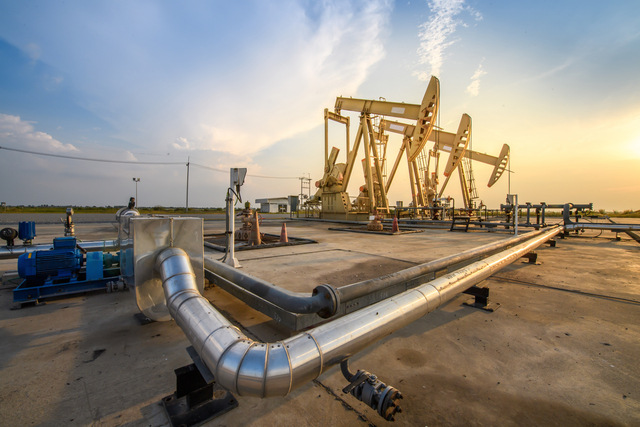
The collectivist claim behind OPEC is that producers acting together bring stability to a volatile market and that every member is better off inside the arrangement. That claim fails against capacity. The United States is now the largest oil producer in the world, and a cartel built to restrict supply works directly against a country that intends to sell more of it. It fails against incentives as well. Iraq is refusing an OPEC+ assessment that rates its sustainable capacity below 5 million barrels per day and wants recognition of roughly 6 million before the group meets on Nov. 29 to set 2027 baselines. A member that must argue with Riyadh and Moscow for permission to pump its own oil has every reason to question what membership delivers.
The arrangement also fails against American interest. OPEC has lost four members since 2019, including the United Arab Emirates earlier this year, and its market share has fallen during the war with Iran, another founding member. Every barrel that Venezuela and Iraq produce outside a quota is a barrel that weakens a pricing bloc that includes Tehran and works alongside Russia.
The administration has not succeeded yet, and the record shows where the obstacle sits. Two countries whose oil money passes through American hands remain bound to production limits written by the governments that profit most from scarcity. The plain contradiction is that Washington controls the accounts while Riyadh still sets the ceiling, and American drivers pay for that ceiling every time crude trades above $80 a barrel.
Sources
investing.com/news/commodities-news/exclusiveus-pushed-venezuela-iraq-to-consider-leaving-opec-sources-say-5052970
bnnbloomberg.ca/business/international/2026/11/27/us-pushed-venezuela-iraq-to-consider-leaving-opec-sources-say-reuters-exclusive
oilprice.com/Latest-Energy-News/World-News/US-Pushed-Iraq-and-Venezuela-to-Consider-Quitting-OPEC-Sources-Say.html
brecorder.com/news/40451107/us-pushed-venezuela-iraq-to-consider-leaving-opec
jpost.com/international/article-916358