
By Johnny Tango CBNC News
President Donald Trump’s trade office put fourteen economies on notice Wednesday morning, ruling that China, the European Union, and a dozen other players have spent years gaming their factories to flood American shelves and gut American plants, and proposing new tariffs to make them stop.
U.S. Trade Representative Jamieson Greer issued the formal findings under Section 301 of the Trade Act of 1974, the same law the Supreme Court left standing after it threw out the president’s emergency-power tariffs in February. The message from Washington is simple: the courts closed one door, and the administration walked through another one that Congress built fifty years ago.
China sits at the top of the list, and it earned the spot. Greer’s office proposes duties of up to 20 percent on a broad sweep of Chinese goods, citing state-directed industrial targeting, subsidies to state-owned giants, forced technology transfer, widespread theft of American intellectual property, forced labor, and currency games. The findings name more than twenty sectors where Beijing’s overbuilt factories are dumping product, from steel, aluminum, and autos to batteries, solar panels, semiconductors, ships, and robotics. A senior administration official told reporters the China rate could climb to 40 percent if Beijing breaks the trade truce it agreed to last year.
Europe does not get a pass either. Brussels faces a proposed 15 percent rate on its goods, with the trade office pointing to export-credit subsidies, investment-bank lending aimed at favored industries, and market barriers that keep American products out, especially in autos, chemicals, and pharmaceuticals. Japan, South Korea, Taiwan, and Switzerland face proposed rates of up to 15 percent. Indonesia, Malaysia, and Thailand face up to 18 percent, Singapore up to 20 percent, India up to 25 percent, and Vietnam up to 35 percent. Several of those numbers come down if the country signs a reciprocal trade deal that fixes the problem, which is the whole point of having leverage in the first place.
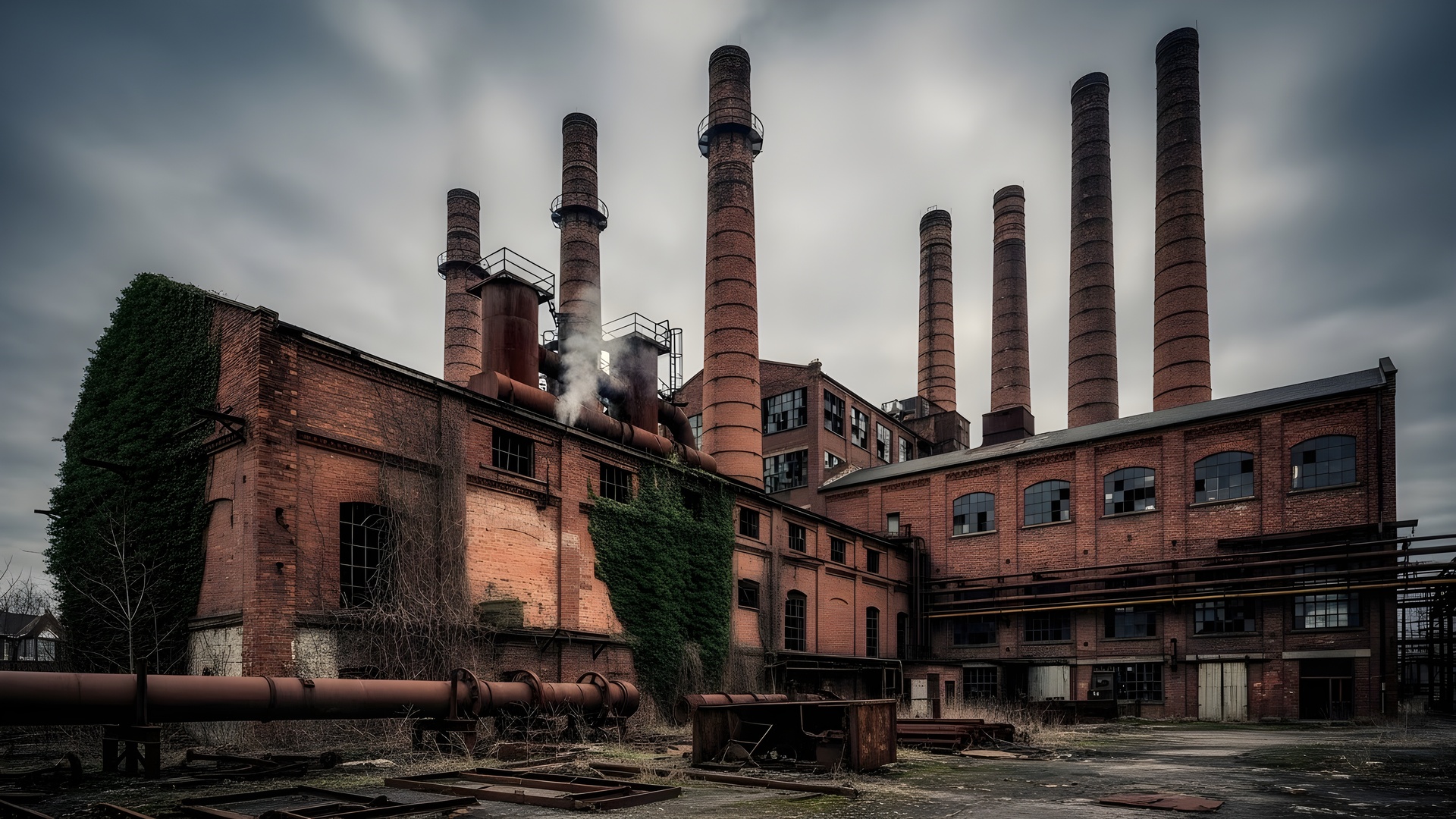
Beijing’s foreign ministry answered before the reports even dropped, declaring that “the so-called ‘overcapacity’ does not really exist.” That is a bold claim from a government that builds steel mills the way other countries build parking lots. The evidence is sitting in the closed plants of Ohio, Pennsylvania, and Michigan, and in every American town that watched a factory floor go dark while subsidized imports kept rolling into port.
Greer put the case plainly. He said trading partners have built strategies on targeting manufacturing, suppressing wages, and handing out state support that tilts the trade balance in their favor while eroding America’s manufacturing base. He also noted that leaders from Joe Biden to Emmanuel Macron to Xi Jinping himself have admitted that excess capacity is a global problem. Years of summit communiqués produced nothing. Trump is the first one willing to put a price on it.
The process is not a midnight decree. The investigations opened on March 11, drew testimony from nearly 140 witnesses and more than 1,000 public comments, and still have a road ahead. Written comments are due January 5, 2027, and hearings begin January 25, 2027. Mexico and Norway, which were also investigated, did not receive determinations for now.
The timing will irritate the Washington crowd that spent November assuring everyone the midterm results would make Trump retreat on trade. Democrats now hold the House and a fresh crop of pundits wants the White House to apologize for tariffs. Instead, the administration doubled down on the Wednesday before Thanksgiving, which is one way to make sure the cranberry sauce on American tables is not the only thing that comes from a can stamped somewhere else.
The stakes are not abstract. Every subsidized container of Chinese steel or European autos that undercuts an American producer is a paycheck that leaves the country. The administration’s findings say these practices cost American production, exports, jobs, and investment, and raise economic security risks by tying U.S. supply chains to hostile non-market inputs. For decades, Washington’s answer was a strongly worded statement at the next G20. The American worker paid for every one of those statements with a shuttered plant.