
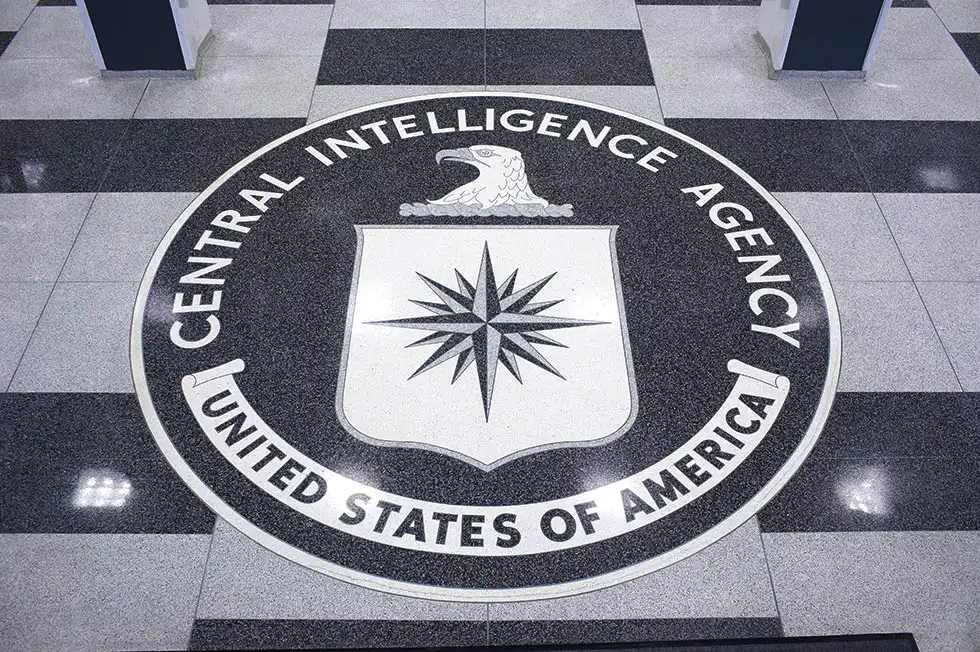
Photo – cia.gov PD/CCO
By Zorina Grey CBNC News
The Central Intelligence Agency and the Office of the Director of National Intelligence have found an intruder inside a shared open-source intelligence network, and the first lesson for American security is that one door into a pooled system opens onto many rooms.
The New York Times reported the breach on Tuesday, citing U.S. officials and people familiar with the matter. The targeted network pulls together public material, social media content, satellite imagery, and commercially purchased data for intelligence analysis. The information exposed was unclassified, and a person familiar with the incident told the Associated Press that the problem has been resolved. The Times reported that the intrusion likely reached information held by other federal agencies as well. Investigators have not said who carried out the breach or exactly what was taken. The CIA declined to comment to the Times, and the ODNI said there had been “no disruptions to critical capabilities or classified systems.”
The breach did not happen in isolation. An FBI source told Fox News that it occurred on the same day last week that the FBI was hit, when the bureau opened an investigation into an apparent breach of the National Crime Information Center, the database that connects federal, state, and local police. Days earlier, the Department of Agriculture told employees that a system it uses to pay farmers had been targeted. The National Security Agency lost its classified internal network for several days, although Director of National Intelligence Jay Clayton has said that outage came from maintenance and patching, not from an attack. The administration’s position is that these incidents are not a coordinated campaign.
For more than two decades, Washington has held that the answer to intelligence failure is wider sharing: pool the data, link the agencies, buy more commercial feeds, and let scale do the work. The argument fails against capacity. A system built to pull everything into one place also gives an intruder one place to reach everything. Every new agency feed and every new commercial dataset adds another path in, and the government has not shown that it can secure those paths as fast as it adds them. Expansion is rewarded in budgets and organization charts. Security, when it works, is invisible and earns no one a promotion.
The fact that the data was unclassified does not end the matter. Open-source collection reveals what American analysts are looking at, which commercial sources they pay for, and which targets they are watching. An adversary does not need a classified cable to learn where Washington is pointing its attention. The tasking itself is the intelligence.
The American interest is narrow and practical. The intelligence community’s job is to protect the country. It is not to build the largest possible data platform or to impress partner agencies with how much it can connect. A smaller system with hard walls between agencies costs less to defend and loses less when it fails. A sprawling interagency network costs more to build, more to guard, and more to clean up after.
Officials say the breach is closed. They have not said who got in, what was taken, or how many other agencies were exposed. Washington spent twenty years connecting its systems in the name of security, and Americans are now learning what those connections cost when someone else walks through them.
Sources
www.foxnews.com/politics/cia-hit-cyber-breach-exposed-unclassified-data-intelligence-analysis-network-sources
apnews.com/article
www.aa.com.tr/americas/cybersecurity-breach-exposes-unclassified-data-at-cia-us-intelligence-office-report
www.nbcnews.com/politics/justice-department
therecord.media/nsa-resumes-normal-operations-following-internal-disruptions