
By Bill Dobbs CBNC Business News
America bought $106.5 billion in goods from Thailand in the first nine months of 2026 and sold Thailand just $21.6 billion, a goods deficit of $84.9 billion that is already bigger than all of last year. That is the number behind the “substantial conclusion” Washington and Bangkok signed Tuesday. And the first thing Bangkok asked for after the ink dried was a lower American tariff.
THE NUMBER
The Census Bureau’s country table tells it plainly. From January through September 2025, the U.S. goods deficit with Thailand was about $48.6 billion. Same nine months of 2026: $84.9 billion. That is a jump of roughly 75%. Imports surged from about $62.8 billion to $106.5 billion. U.S. exports grew too, from about $14.2 billion to $21.6 billion. Good for the American shipper. Not nearly enough.
For every dollar of American goods Thailand bought this year, America bought about $4.93 of Thai goods. The deficit is running at roughly $311 million a day. July alone hit $12.2 billion. Thailand now ranks fifth on America’s deficit list, behind only Vietnam, Mexico, Taiwan and China, and ahead of South Korea, Germany and Canada.
The full-year 2025 deficit was $71.7 billion, up 59.1% from 2024, according to USTR. This year blew past that in September with three months left.
THE BOAST
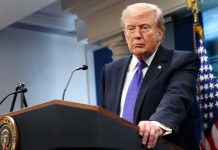
On Nov. 17 in Manila, President Trump and Thai Prime Minister Anutin Charnvirakul signed a joint statement saying the two countries reached “substantial conclusion” on an Agreement on Reciprocal Trade. The White House statement says the deal “will strengthen our bilateral economic relationship.”
Then Bangkok told its own people what the deal does and does not do. Thailand’s Commerce Ministry said Nov. 18 that the statement is not a final agreement, that no Thai tariff on American goods is cut now, and that future cuts will not cover every U.S. product. Thai Commerce Minister Suphajee Suthumpun said Friday that Thailand is negotiating to cut the U.S. tariff on Thai goods to 10% from 12.5%. Thailand also said it will keep blocking U.S. pork raised with ractopamine, a feed additive used by American hog farmers.
So who got the win? Bangkok keeps its pork wall, keeps its tariffs until a final text clears its legal process, and asks for a lower rate on the goods that built an $84.9 billion gap.
WHY IT HAPPENED
Thailand’s government says its U.S. export growth comes from AI-related electronics. Some of it does. But the White House put Thailand in Tier 2 of its August transshipment report, alongside Vietnam, Malaysia and Indonesia, citing significant volumes routed through China-linked supply chains. Goods that Customs finds were illegally transshipped face an added 40% duty.
The read, labeled as the read: when a partner’s sales to America nearly double in two years, and Washington’s own report flags that partner as a rerouting hub, a lower tariff is the wrong first move. Rules of origin and enforcement come first. A tariff cut comes last.
WHO PAID
The American plant that makes what Thailand now ships paid. Every dollar of that $84.9 billion is a dollar of demand that did not land on a U.S. factory floor, a U.S. supplier, or a U.S. paycheck this year.
The American hog farmer paid. His pork is still locked out of a market that sells America more than $100 billion a year in goods.
And the American taxpayer pays if the tariff drops to 10% from 12.5% before the gap closes. On a pace of roughly $140 billion in annual imports, every point of tariff relief hands Thai exporters and the importers who buy from them a bigger slice of the margin, and Washington collects less of the revenue that is supposed to discipline the trade.
Thailand’s Commerce Ministry says its U.S. exports were worth about $69.8 billion in 2025 and are tied to about 1.25 million Thai jobs. Bangkok knows exactly what this market is worth to its workers. Washington should know what it is worth to ours.
WHAT TO WATCH
The joint statement still needs a legal review, a signing and Thai domestic approval before anything takes effect. That is the window. Any final deal should be judged on one line: does the bilateral deficit narrow? Not on the ceremony. Not on the handshake in Manila. On the Census table.
Sources:
- census.gov/foreign-trade/balance/c5490.html
- census.gov/foreign-trade/statistics/highlights/topyr.html
- whitehouse.gov/briefings-statements/2026/11/joint-statement-on-an-agreement-between-the-united-states-of-america-and-the-kingdom-of-thailand-on-reciprocal-trade
- investing.com/news/economy-news/thailand-must-keep-us-as-major-trade-partner-pm-says-5041290
- nationthailand.com/business/economy/40073628
- nationthailand.com/business/trade/40069776
- ustr.gov/countries-regions/southeast-asia-pacific/thailand
Visuals: