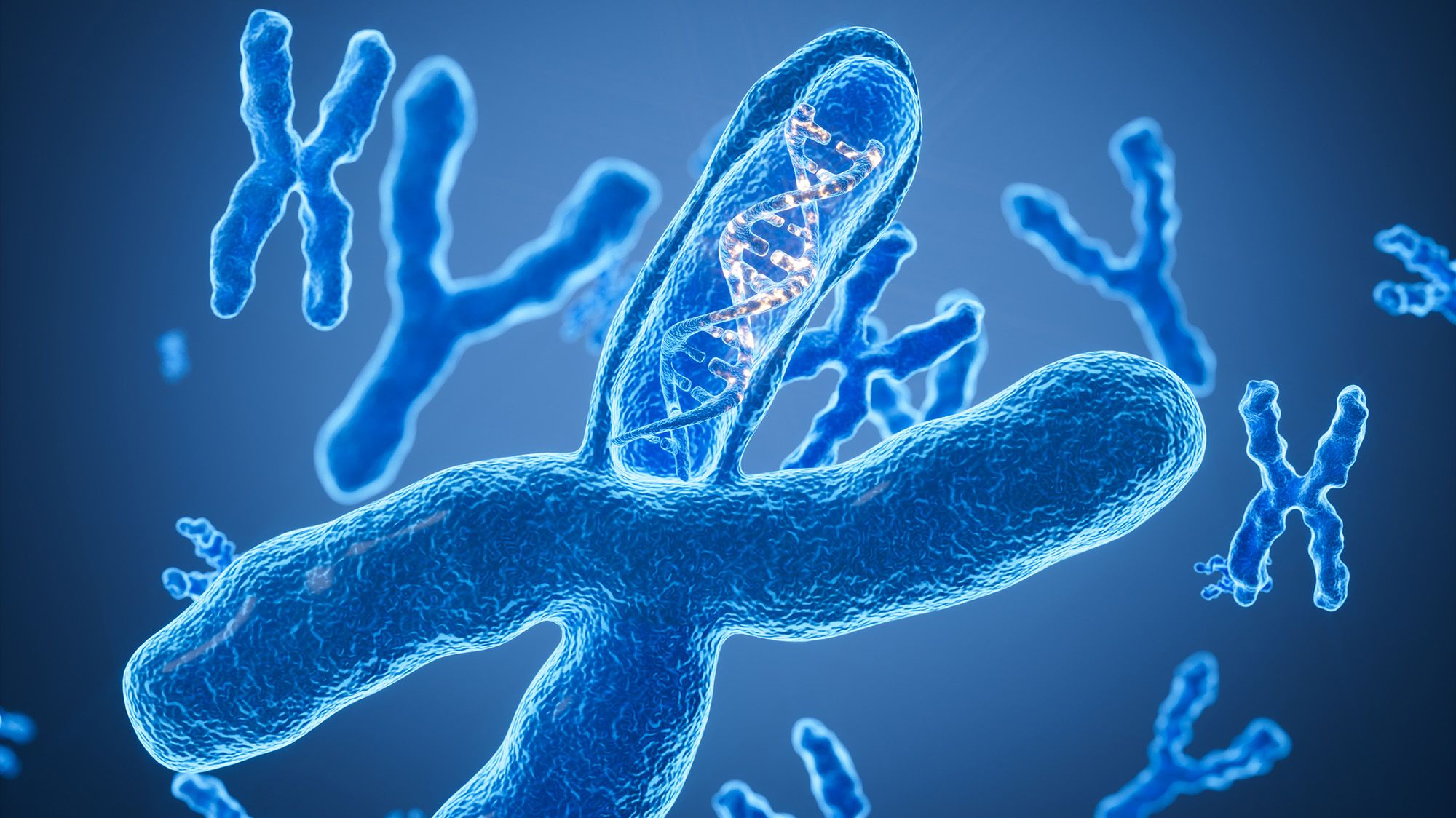
Scientists have unraveled the workings of a rare disease by putting a large chunk of human DNA into a lab mouse.
The incurable disorder, called X-linked dystonia-parkinsonism (XDP), mostly affects men of Filipino descent and leads to early death. The new mouse studies revealed previously unknown aspects of the disease’s biology that could point to new avenues for treatment.
The condition has long been thought of as a disease of neurons, as it triggers neuron death in a part of the brain that’s key to controlling movement. But the new findings highlight an unsung role of neurons’ support cells, called glial cells.
Latest Videos FromLive Science
“This had never been described in this disease before,” study co-author Shane Liddelow, an associate professor in the…