Henry Hazlitt built his entire case for sound economics on one lesson: judge a policy not by its immediate, visible effect on one group, but by its full effect over time on everyone it touches. Bad economics, he argued, sees only the seen. Good economics traces the unseen as well.
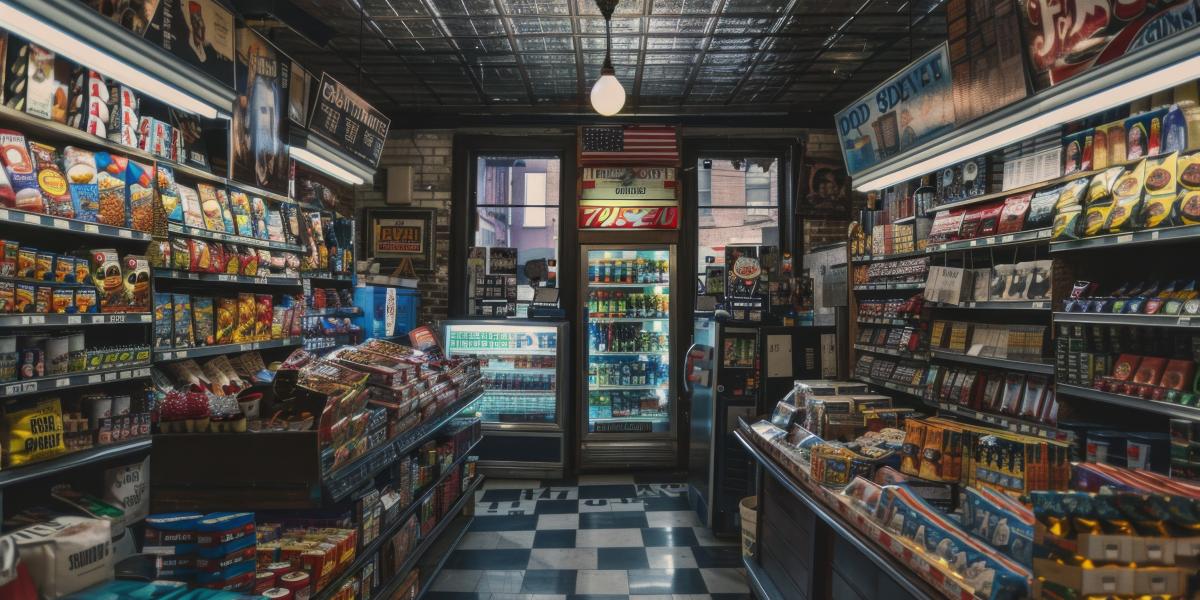
New York Mayor Mamdani’s proposed 30 percent discount on groceries is a textbook case of the seen. It is immediate, easy to picture, and politically appealing—shoppers checking out and paying less. But Hazlitt’s lesson demands a harder question: where did the other 30 percent go? Costs do not vanish because the government owns the store. They simply become less visible, paid by someone, somewhere, who isn’t standing at the register.
The lower price at the register is the visible part of the policy—what every shopper sees, every time, at checkout. But Hazlitt’s method requires looking past the…