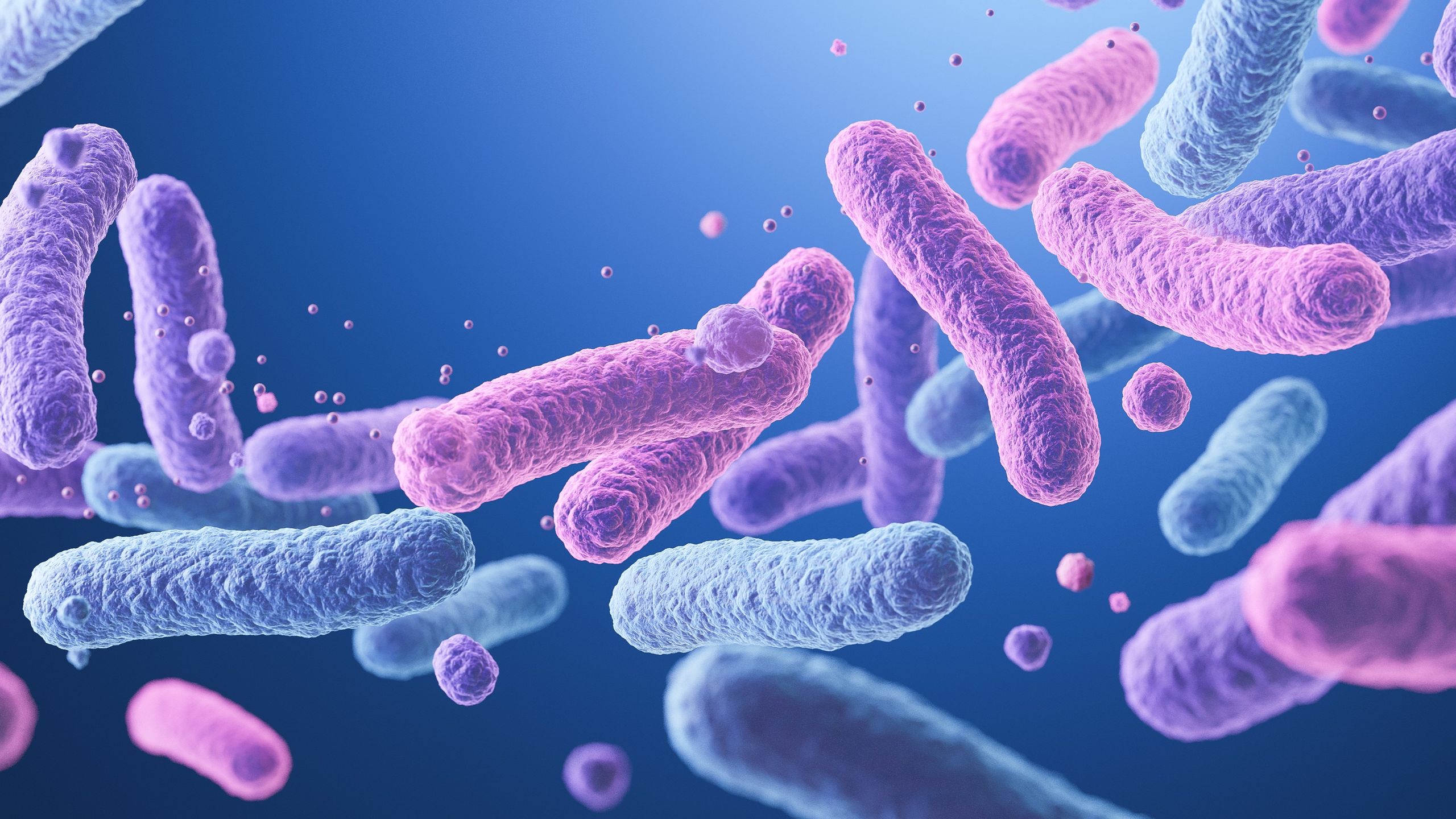
Bolstering a type of bacteria that lives in the uterus may help counter age-related changes that can make it harder to get pregnant, a new study suggests.
While fertility decline is often linked to changes in egg number or quality, the uterus also becomes less receptive to an implanting embryo with age. The new research suggests that changes in the bacteria living there may be part of the reason.
In experiments, treating aged mice and lab-grown human uterine cells with a specific species of Lactobacillus, a group of bacteria often found in the uterus, reduced signs of aging in the uterine lining and improved embryo implantation. This improvement was also seen with a specific byproduct of Lactobacillus.
Latest Videos FromLive Science
The findings, published Thursday (Aug. 6) in the journal Cell Host & Microbe, suggest that the uterine microbiome could be a promising target for treating…