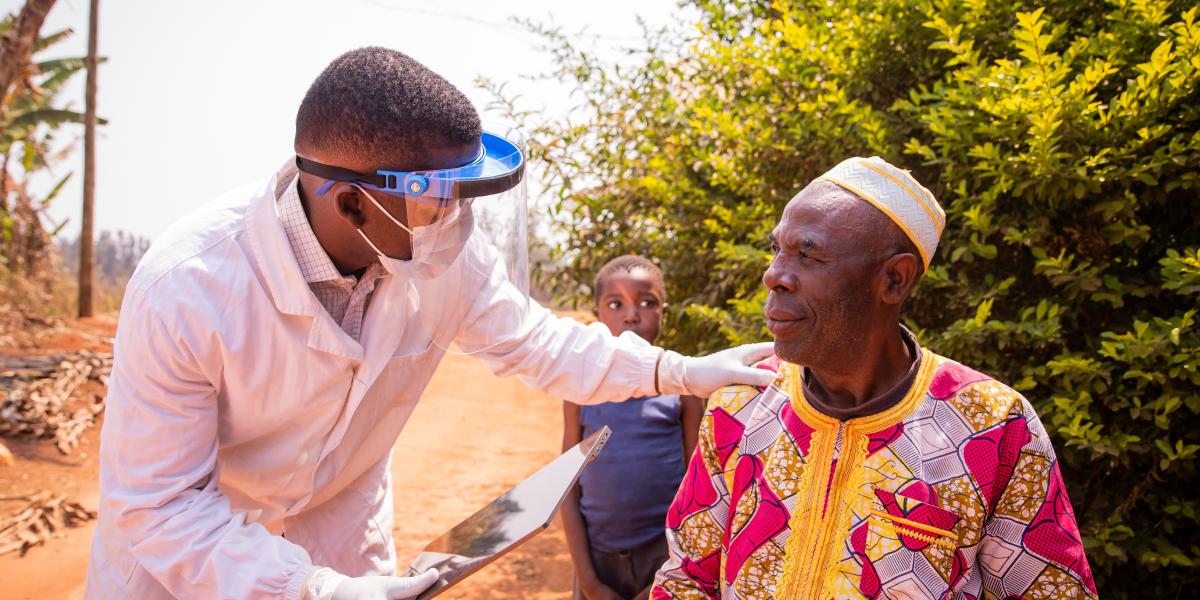
As the WHO warns of a 30 percent drop in external health aid to low-income countries, Rwanda’s community-based Mutuelle de Santé expanded its coverage to cover brain surgery and kidney transplants. Yet even as the model proves itself, Zimbabweans are still choosing funeral insurance—68 percent of all life insurance revenue flows into funeral products—because death remains more affordable than care.
That tells us something important: poor people make rational choices. They choose burial societies because they deliver value. They would presumably choose health mutual aid societies for the same reason—if the state would get out of the way.
The American Precedent
Before Medicaid and employer-based insurance, mutual aid societies covered millions of Americans. Ethnic, religious, and trade-based lodges pooled small contributions to cover healthcare and funerals. Lodges contracted…