Guest Post by Milan Adams

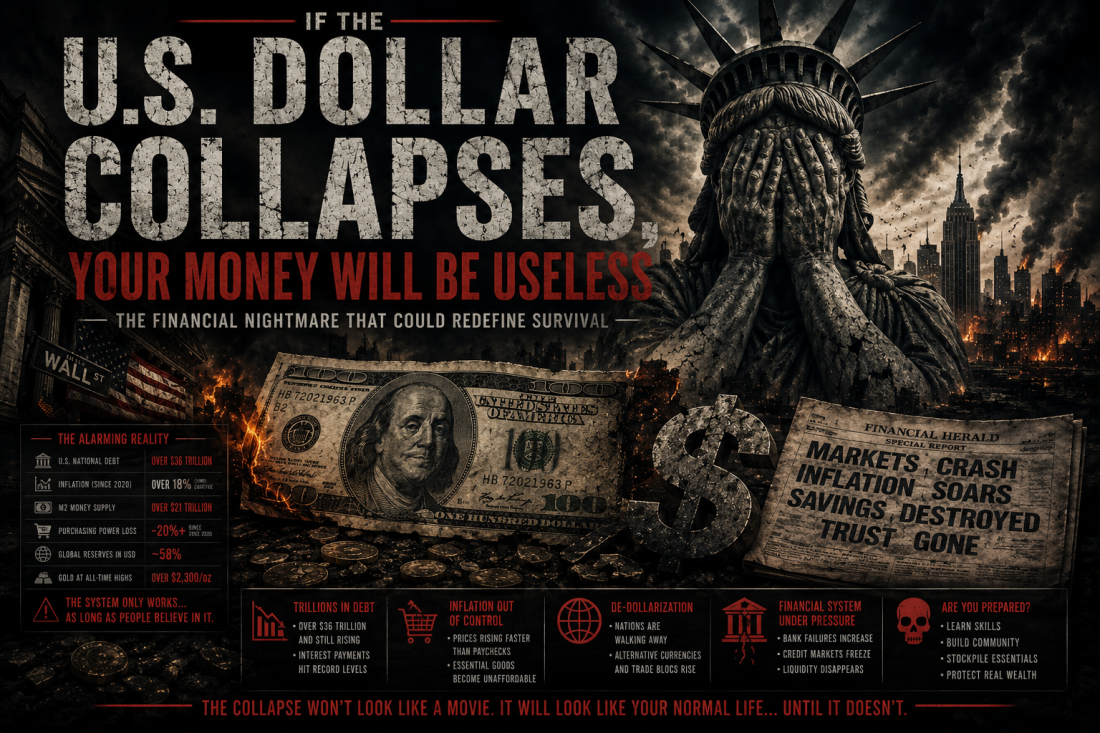
Throughout modern history, empires have risen on military power but endured because of financial confidence. Gold once fulfilled that role, later replaced by paper currencies backed by governments, institutions, and ultimately public trust. Since the end of the Second World War, no currency has shaped the international economy more profoundly than the United States dollar. Today, it remains the dominant reserve currency, facilitates a large share of global trade, influences commodity pricing, and serves as the preferred store of liquidity during periods of uncertainty. Yet history repeatedly reminds us that no financial system—regardless of its size, prestige, or influence—has ever been immune to structural change. Every dominant monetary order eventually faced challenges that few observers believed possible until they unfolded before the world’s…