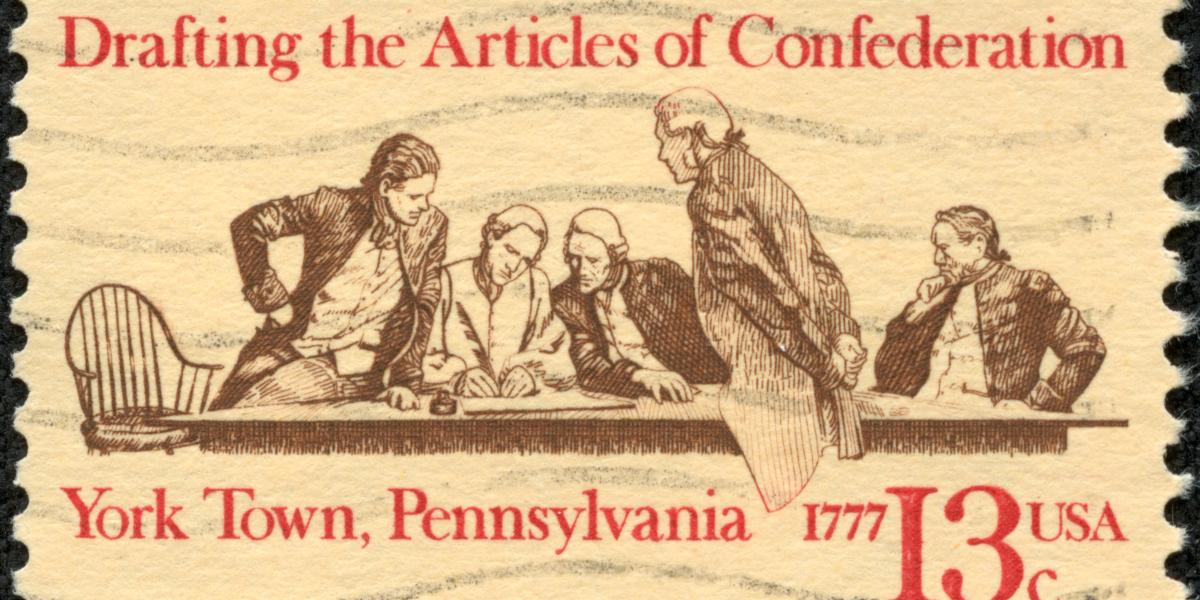
It is not uncommon for people to conflate victory and liberty with centralization and inflation. Even in the case of the American Revolution—which was relatively decentralized—many at the time, and others since, argued that monetary inflation, standing armies and a state-centric approach to war, consolidation under a centralized national government, direct taxation, and central banking were all necessary to achieve victory and independence. The not-too-subtle implication is that liberty depends on big government.
When the American Revolution began, and as it was waged, key policy decisions were made—approaches and interventions that begot further interventions. As mentioned above, these interventions were justified as war necessities. In reality, it can be argued that such interventions were counterproductive, actually threatened the cause of independence and victory, and all…